

Professional Applique Embroidery Digitizing Services USA
- Manual applique embroidery digitizing with stitch precision
- Satin, zigzag, and raw-edge applique border options
- Layered applique digitizing for patches and jackets
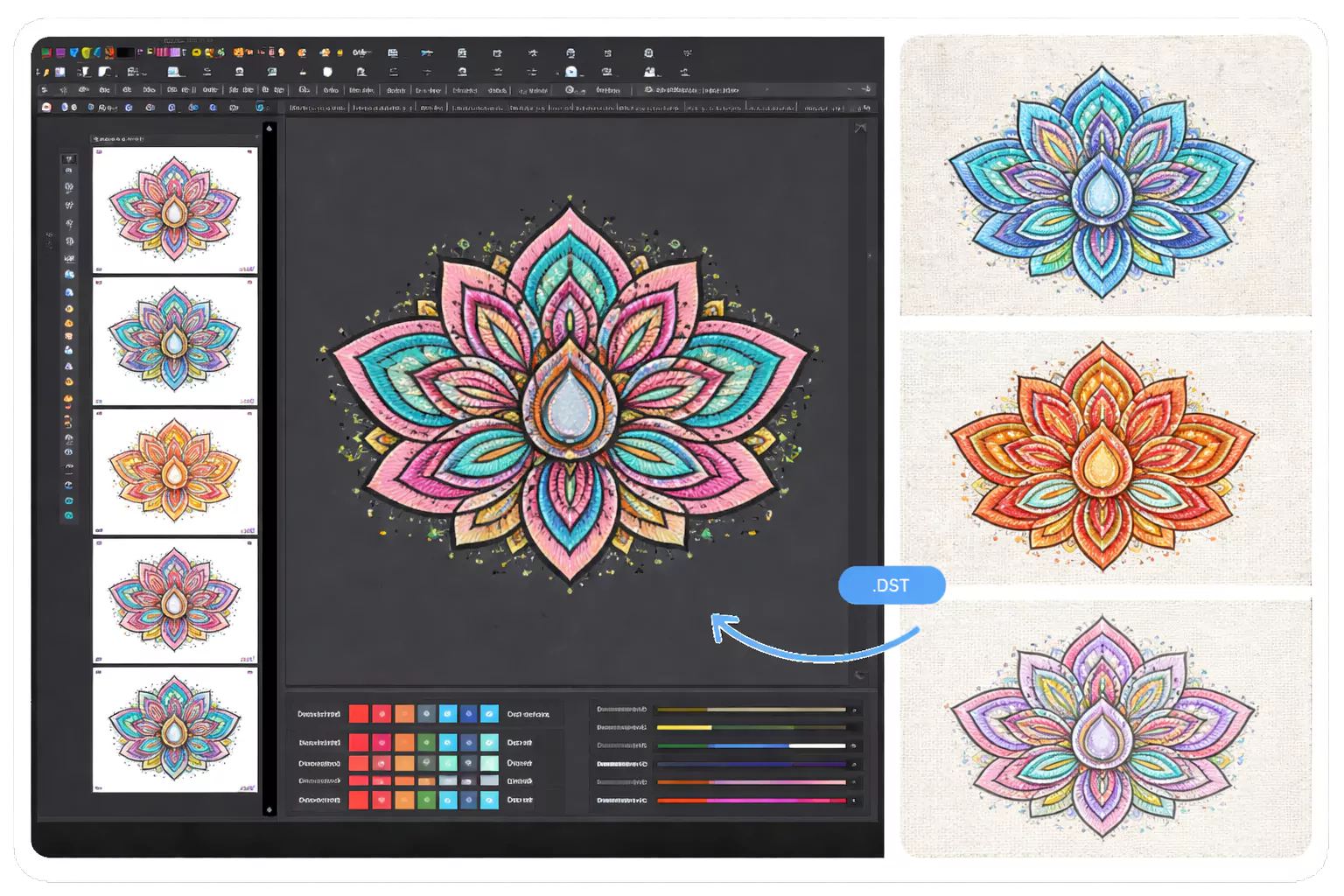
- DST, PES, EXP, JEF, and VP3 machine-ready files
- Fast 12–24 hour turnaround with free revisions
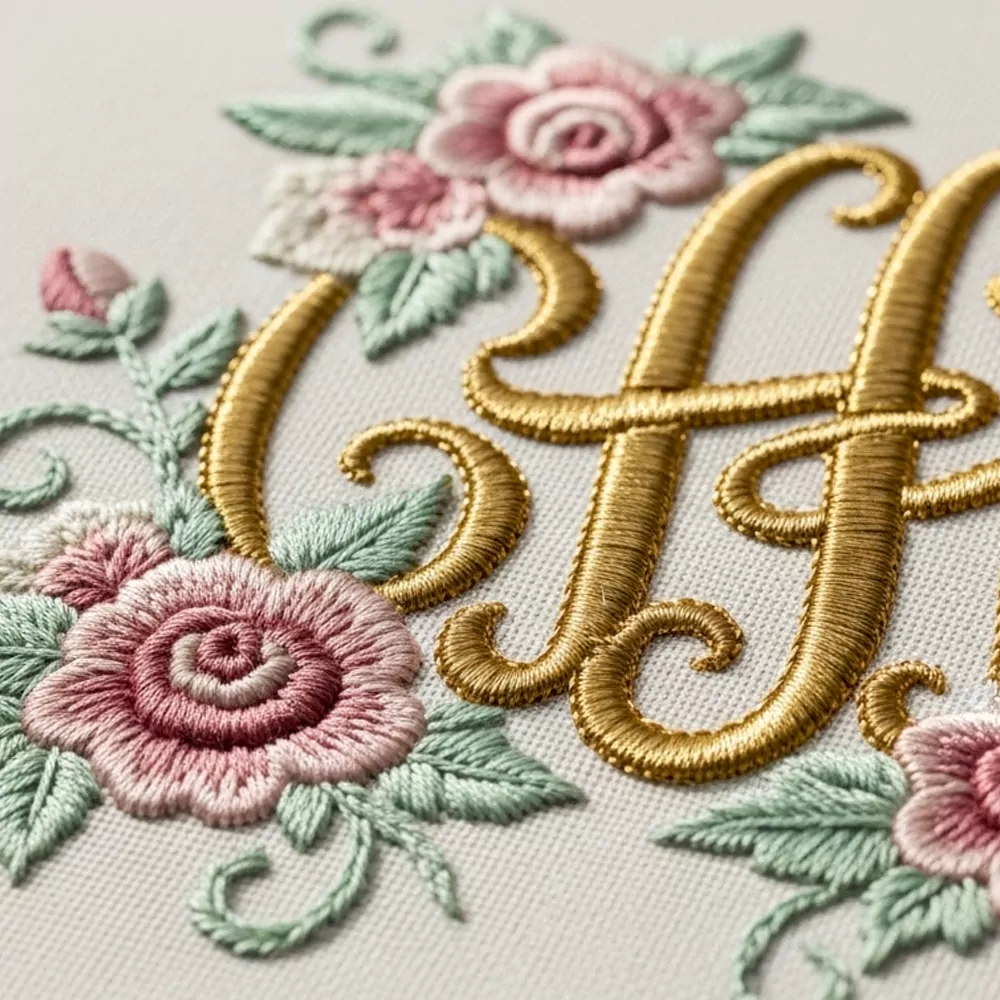
Our Professional Embroidery Digitizing Services
We provide expert embroidery digitizing services and vector art conversion designed for commercial embroidery production, clean stitching accuracy, and machine-ready file delivery.
What is Applique Digitizing?
Applique digitizing services convert artwork into embroidery stitch files that secure fabric pieces onto a garment using placement stitches, tack-down stitches, and decorative border finishes. Unlike full-fill embroidery, applique embroidery uses layered fabric segments to reduce stitch count, add texture, and create bold visual contrast.
The applique digitizing process begins with a placement stitch that outlines where the fabric will sit. A tack-down stitch then secures the fabric to the base material. Finally, a satin border or zigzag stitch finishes the edges, creating a clean and durable embroidered result.
Professional applique digitizing services require precise stitch sequencing, accurate border width control, and fabric-specific adjustments to ensure smooth machine execution and long-lasting embroidery durability.
Request Your Free Quote
Expert embroidery digtzing and vector art converston services. Get
Embroidery Digitizing Semio
Step 1
Submit your design details
Step 2
Artwork review
Step 3
Approvel confirmation
Step 4
Final file delivery
100% Satisfaction Guaranteed
Expert embroidery digtzing and vector art converston services. Get
Why Choose Our Applique Digitizing Services
Choosing professional applique digitizing services directly impacts stitch durability, fabric stability, and production efficiency. Applique embroidery requires precise placement, balanced tack-down stitching, and accurate border finishing to maintain long-term garment quality.
100% Manual Applique Digitizing
We manually digitize every applique design to control placement accuracy, tack-down spacing, and satin border width. Manual control ensures clean edges and consistent stitch flow compared to automated digitizing software.
Fabric-Specific Digitizing Approach
Each applique project is structured according to fabric type, stretch behavior, and garment construction. Stabilizer recommendations and stitch adjustments are applied to maintain smooth embroidery results.
Layered Applique Expertise
Multi-layer applique digitizing requires controlled overlap and logical sequencing. We structure layered designs to prevent bulk buildup and ensure stable stitching across all fabric segments.
Production-Tested Files
Our applique digitizing services are optimized for commercial embroidery machines. We review trim placement, color stops, and stitch density to support efficient single-head and multi-head production runs.
Fast Turnaround with Revisions
We deliver applique digitizing files within 12–24 hours and provide revisions to ensure accurate stitch output and customer satisfaction.
Applique Digitizing Process
Professional applique digitizing services follow a structured sequence to ensure accurate fabric placement, secure stitching, and clean border finishing. Each step must be carefully planned to maintain alignment and durability during embroidery production.
The process begins with artwork review and vector cleanup. Clean outlines are essential for accurate placement stitches and smooth border flow. Complex shapes are simplified to ensure stable stitching and minimal fabric shifting.
A placement stitch outlines the exact area where the applique fabric will be positioned. This guide stitch ensures proper alignment before the fabric is secured.
After the fabric is placed, a tack-down stitch secures it to the base garment. Stitch spacing is adjusted based on fabric thickness and stability to prevent lifting or movement.
The final edge is finished using satin stitch, zigzag stitch, or decorative border styles. Border width is calibrated to fully cover raw edges and create a clean embroidered finish.
For layered applique digitizing, each fabric layer is stitched sequentially with controlled overlap. Proper sequencing prevents bulk buildup and ensures stable embroidery output.
The applique digitizing file is exported in DST, PES, EXP, JEF, or VP3 formats. Stitch trims, color stops, and sequencing are reviewed to ensure machine-ready production.
Applique Digitizing for Different Fabrics
Applique digitizing services must be adjusted according to fabric weight, stretch level, and surface texture. Each material responds differently to placement stitches, tack-down tension, and satin border compression. Fabric-specific digitizing ensures stable stitching and long-term durability.
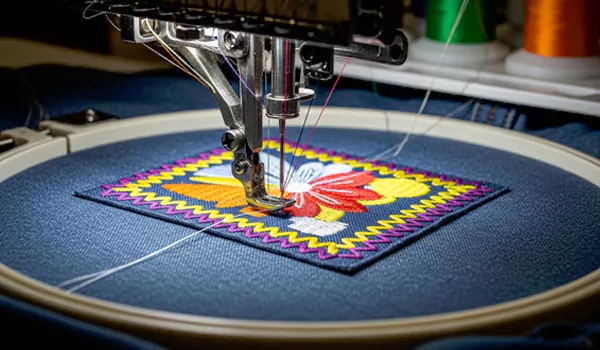
Applique Digitizing for Denim and Twill
Denim and heavy twill fabrics provide strong structural stability. Tack-down stitches can maintain standard 2–3 mm spacing, and satin borders can be slightly narrower due to reduced fabric shifting. Dense borders are acceptable because the base fabric resists puckering.
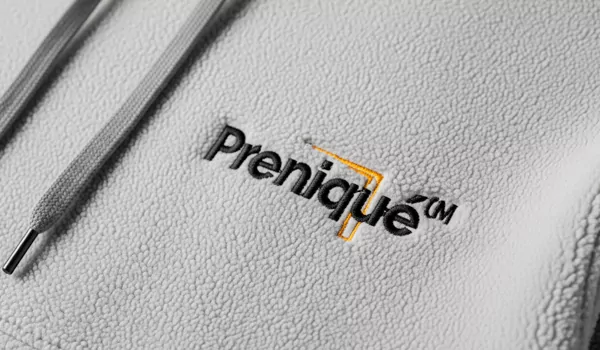
Applique Digitizing for Fleece and Soft Fabrics
Fleece requires careful tack spacing and slightly wider satin borders to prevent sinking into the fabric pile. Stabilizer support is critical to maintain flatness and avoid surface distortion during stitching.
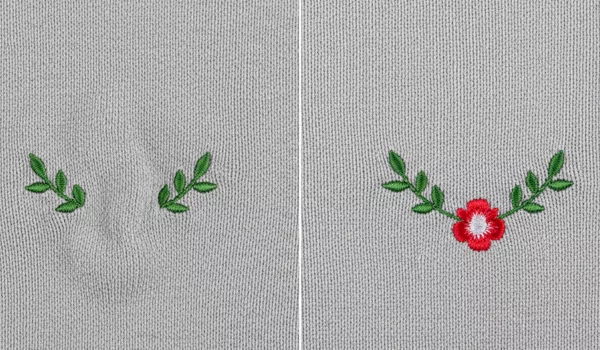
Applique Digitizing for Knit and Performance Fabrics
Stretch fabrics require cut-away stabilizers and controlled stitch density. Excessive border density may cause puckering, so border width and tension must be balanced carefully to maintain garment flexibility.
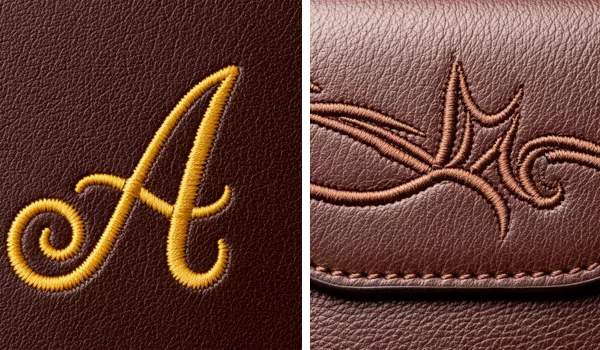
Applique Digitizing for Leather and Specialty Materials
Leather and faux leather often require adhesive stabilizers and adjusted tack-down pressure. Border stitches must avoid excessive perforation to prevent tearing along the edges.
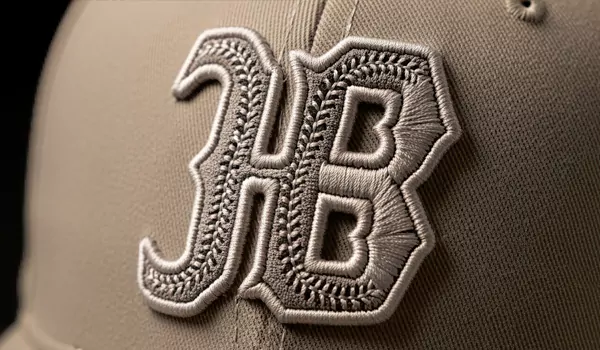
Applique Digitizing for Structured Caps and Patches
Caps and patch bases require center-aligned placement stitches and firm tack-down sequencing. Border stitches must account for curved surfaces and reinforced panel seams to prevent misalignment.
Technical Standards and Recommendations for Applique Digitizing
Professional applique digitizing services require precise technical control to ensure fabric stability, clean borders, and smooth machine execution. Unlike full-fill embroidery, applique involves multiple stitch stages that must be calibrated based on fabric type, border style, and production scale.
Tack-down stitch spacing typically ranges between 2–3 mm for stable woven fabrics such as cotton or twill. For thicker materials like fleece, spacing may be slightly increased to prevent excessive compression. Proper spacing prevents fabric lifting while maintaining smooth border finishing.
Satin border width generally ranges from 2.0 mm to 4.0 mm depending on fabric thickness and design scale. Narrow borders may fail to fully cover raw edges, while excessively wide borders increase stitch density and machine strain. Balanced width ensures clean edge coverage and durability.
For multi-layer applique digitizing, a 10–15% overlap between fabric segments is recommended. Controlled overlap prevents visible gaps and ensures stable layering without excessive bulk buildup.
Minimal underlay is often preferred in applique digitizing to avoid stiffening the design. Stabilizer choice depends on garment type: • Cut-away stabilizer for knits and stretch fabrics • Tear-away stabilizer for stable woven materials • Adhesive stabilizers for leather or specialty fabrics
Machine and File Format Compatibility for Applique Digitizing Services
Our applique digitizing services deliver machine-ready embroidery files in DST, PES, EXP, JEF, and VP3 formats. Each file includes accurate placement, tack-down, and border stitching sequences for reliable production. Designs are optimized for Tajima, Brother, Barudan, and Ricoma embroidery machines. Proper trim placement and color-stop organization ensure smooth operation, reduce thread breaks, and maintain consistent applique embroidery quality during single-head and multi-head production runs.
Production-ready Applique Digitizing for Multi-head Machines
Applique digitizing services must be structured for efficient execution on both single-head and multi-head embroidery machines. In bulk production environments, stitch sequencing, trim placement, and color-stop organization directly affect output speed and consistency.
Optimized Stitch Sequencing
We organize placement stitches, tack-down stitches, and border finishes in a logical sequence to minimize thread jumps and reduce unnecessary trims. Proper sequencing ensures uniform stitching across all heads during large production runs.
Color Stop and Thread Change Management
Applique designs often require fabric placement between stitch stages. We structure color stops clearly so operators can position fabric pieces accurately without confusion or delays.
Reduced Machine Downtime
Minimized trims and controlled stitch density lower thread break risk. Efficient file structure improves machine stability and supports uninterrupted embroidery during high-volume production.
Test Sewout Verification
Before final delivery, applique digitizing files are reviewed for stitch flow, border coverage, and alignment accuracy. Production-ready files ensure predictable results on commercial embroidery machines.
Common Problems in Applique Embroidery and How We Fix Them
Applique digitizing services must anticipate fabric movement, border stress, and machine tension issues. Below are common applique embroidery problems and the digitizing adjustments used to resolve them.
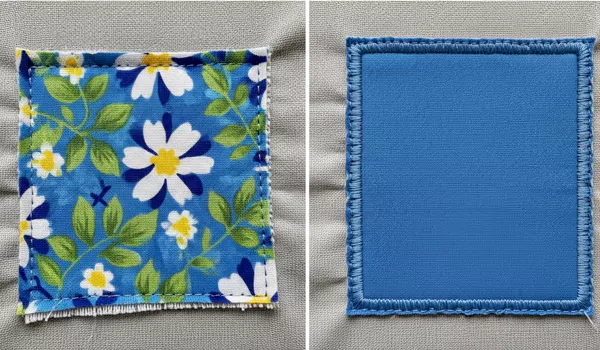
Fabric Lifting After Tack-Down
Fabric lifting occurs when tack-down spacing is too wide or stabilizer support is insufficient. We adjust stitch spacing within the 2–3 mm range and recommend proper stabilizers to maintain firm fabric attachment.
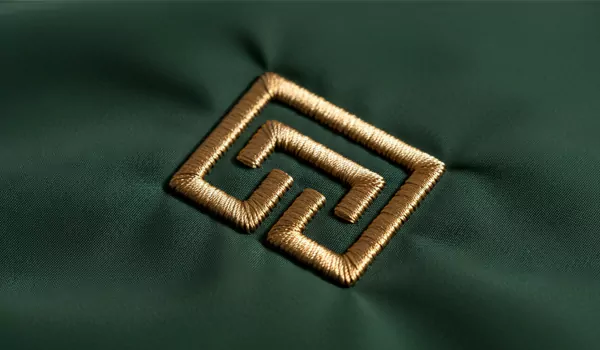
Puckering Around Satin Borders
Excessive stitch density or improper stabilizer selection can cause puckering. We balance border width and density while selecting fabric-appropriate backing to maintain smooth surface tension.
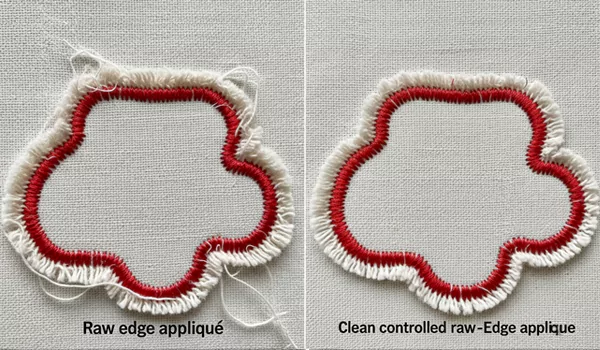
Fraying on Raw-Edge Applique
Raw-edge applique may fray if borders are too narrow. Increasing satin width and ensuring full edge coverage prevents thread exposure and maintains durability.
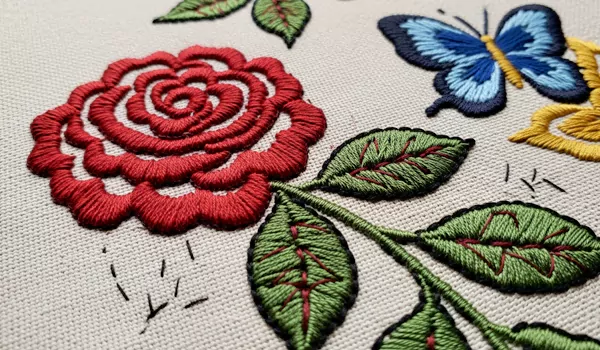
Misalignment During Multi-Layer Applique
Layered applique designs require controlled overlap and precise placement sequencing. We maintain 10–15% overlap and structured stitching order to prevent shifting.
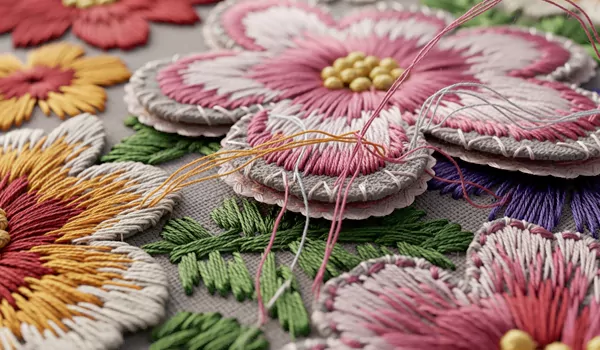
Excessive Thread Breaks
Dense borders, sharp angle changes, or excessive trims increase thread break risk. Optimized sequencing and controlled density improve machine performance and reduce downtime.
Frequently Asked Questions about Applique Digitizing Services
What is applique digitizing?
Applique digitizing services convert artwork into stitch files that secure fabric pieces onto garments using placement stitches, tack-down stitches, and decorative border finishes such as satin or zigzag stitches.
What fabrics work best for applique embroidery?
Applique works well on denim, twill, fleece, knits, leather, and structured caps. Fabric selection determines stabilizer type, tack-down spacing, and border width adjustments.
What is the recommended satin border width for applique?
Satin border width typically ranges from 2.0 mm to 4.0 mm depending on fabric thickness and design size. Proper width ensures full edge coverage and durability.
What is tack-down stitch spacing in applique digitizing?
Tack-down stitch spacing usually ranges between 2–3 mm for stable woven fabrics. Spacing may vary based on fabric thickness and stretch level.
How long does applique digitizing take?
Yes. Layered applique digitizing requires structured sequencing and approximately 10–15% overlap between fabric segments to prevent shifting and visible gaps.
Which file formats do you provide for applique digitizing services?
We provide DST, PES, EXP, JEF, and VP3 file formats compatible with Tajima, Brother, Barudan, Ricoma, and other commercial embroidery machines.
How long does applique digitizing take?
Standard applique digitizing services are completed within 12–24 hours depending on design complexity and production requirements.
Do you provide revisions for applique digitizing?
Yes. We offer revisions to ensure accurate placement, clean border stitching, and production-ready embroidery output.
Can applique reduce stitch count compared to full-fill embroidery?
Yes. Applique reduces stitch count by replacing large fill areas with fabric segments, improving efficiency and reducing machine strain.
Is applique suitable for patches and jackets?
Yes. Applique digitizing services are commonly used for patches, varsity jackets, uniforms, and branded apparel where bold fabric contrast is required.