

Cap/Hat Embroidery Digitizing Services USA
Professional cap embroidery digitizing services delivering precise stitch files optimized for curved surfaces, clear lettering, and machine-ready production for hats and caps.
- Cap logo digitizing optimized for curved hat surfaces
- Center-out stitch sequencing for stable embroidery alignment
- Optimized stitch density for clear lettering and clean edges
- Machine-ready DST, PES, EXP, JEF, and VP3 files
- Fast 12–24 hour turnaround with free revisions
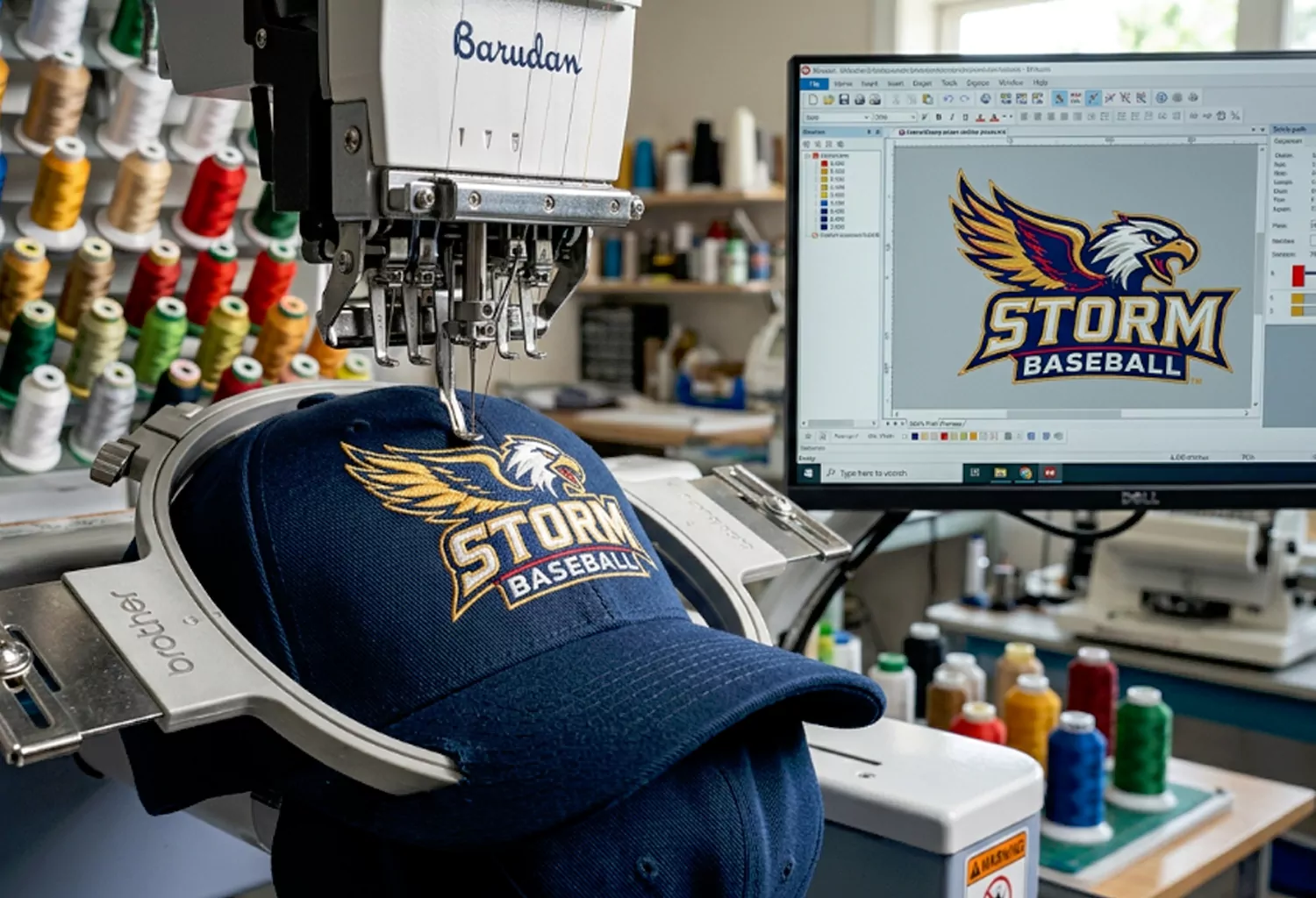
What is Cap Embroidery Digitizing?
Cap embroidery digitizing services convert logos and artwork into stitch files optimized specifically for embroidery on hats and caps. Cap embroidery typically uses a limited vertical area of 2.25 to 2.75 inches, requiring precise satin stitch control and balanced stitch density to maintain logo clarity.
Unlike flat garments, caps have curved front panels and center seams that affect stitch alignment. Proper cap embroidery digitizing services apply center-out stitch sequencing, calibrated pull compensation, and structured underlay to prevent distortion. Accurate digitizing ensures clean lettering, stable stitch coverage, and machine-ready embroidery output on structured and unstructured caps.
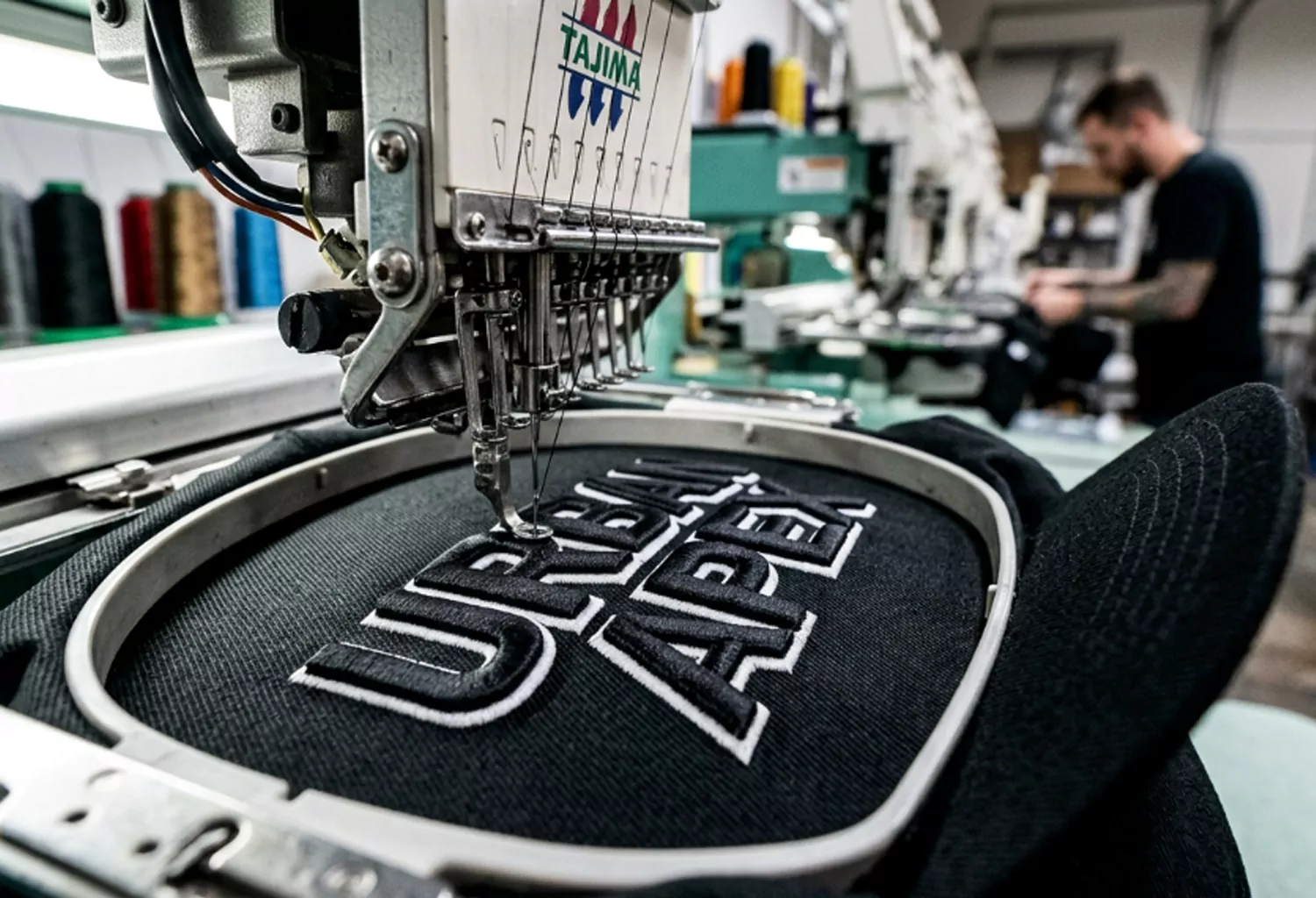
Why Choose Our Cap Embroidery Digitizing Services
Professional cap embroidery digitizing services ensure accurate stitch alignment, balanced density, and stable embroidery on curved cap surfaces. Proper digitizing prevents seam distortion and maintains clear lettering during production.
Manual Digitizing for Cap Surface Accuracy
We manually digitize each cap logo to control stitch direction, density, and seam compensation for precise embroidery.
Optimized for Curved Cap Panels and Center Seams
Our cap embroidery digitizing services apply center-out sequencing and pull compensation to maintain logo symmetry.
Clear Small Lettering and Satin Stitch Precision
We adjust satin column width and density to ensure readable lettering within the 2.25–2.75 inch embroidery height.
Machine-Ready Files for Commercial Production
Files are optimized for Tajima, Brother, Barudan, Ricoma, and Happy embroidery machines.
Fast Turnaround with Free Revisions
We deliver cap embroidery digitizing services within 12–24 hours, ensuring production-ready embroidery output.
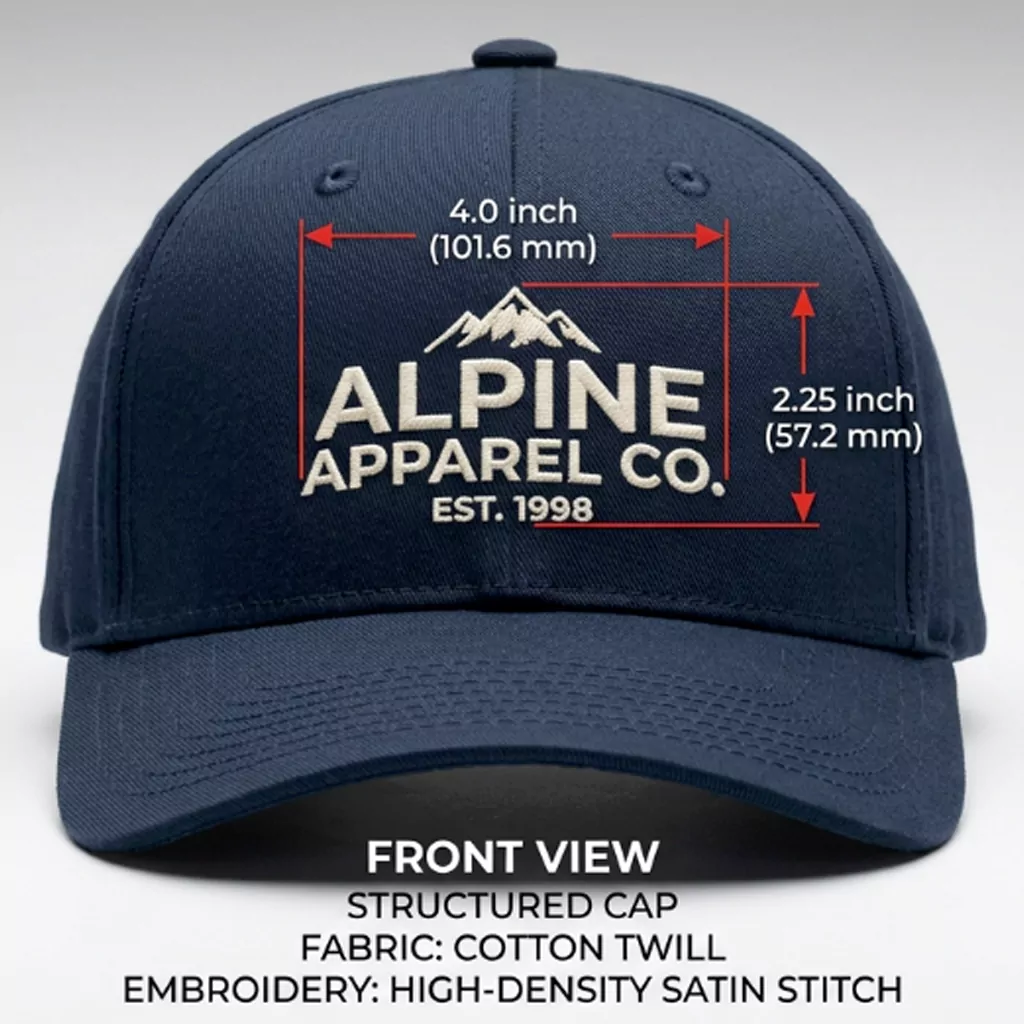
Standard Cap Embroidery Size and Design Requirements
Cap embroidery digitizing services must follow strict size and stitch limitations to maintain logo clarity on the cap front panel. Standard cap embroidery height typically ranges between 2.25 and 2.75 inches, while width can extend up to 4.5 to 5 inches, depending on cap structure and hoop size.
Cap logos often range between 2,000 and 30,000 stitches, requiring balanced stitch density and controlled satin column width. Proper cap embroidery digitizing services adjust stitch spacing, lettering height, and pull compensation to ensure readable embroidery and stable stitching across curved cap surfaces.
Request Your Free Quote
Expert embroidery digtzing and vector art converston services. Get
Embroidery Digitizing Semio
Step 1
Submit your design details
Step 2
Artwork review
Step 3
Approvel confirmation
Step 4
Final file delivery
100% Satisfaction Guaranteed
Expert embroidery digtzing and vector art converston services. Get
Technical Requirements for Cap Embroidery Digitizing Services
Cap embroidery digitizing services require precise stitch control to maintain logo clarity on curved cap surfaces. Proper stitch structure ensures stable embroidery execution and prevents distortion across the front panel.
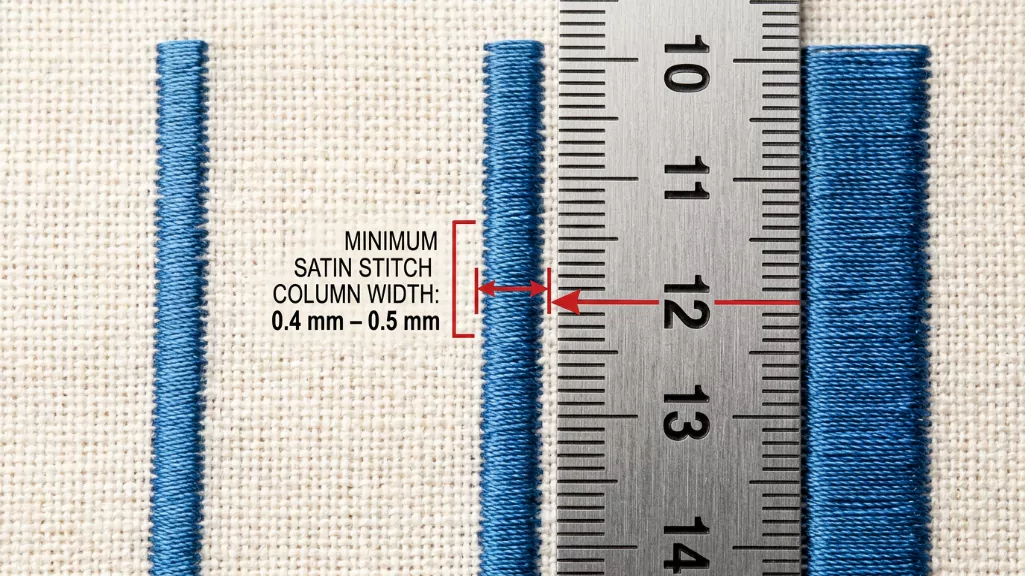
Minimum Satin Stitch Column Width
Satin stitch columns for cap lettering should maintain a minimum width of 0.4 mm to 0.8 mm. Proper column width prevents thread breaks and ensures clear letter formation during embroidery.
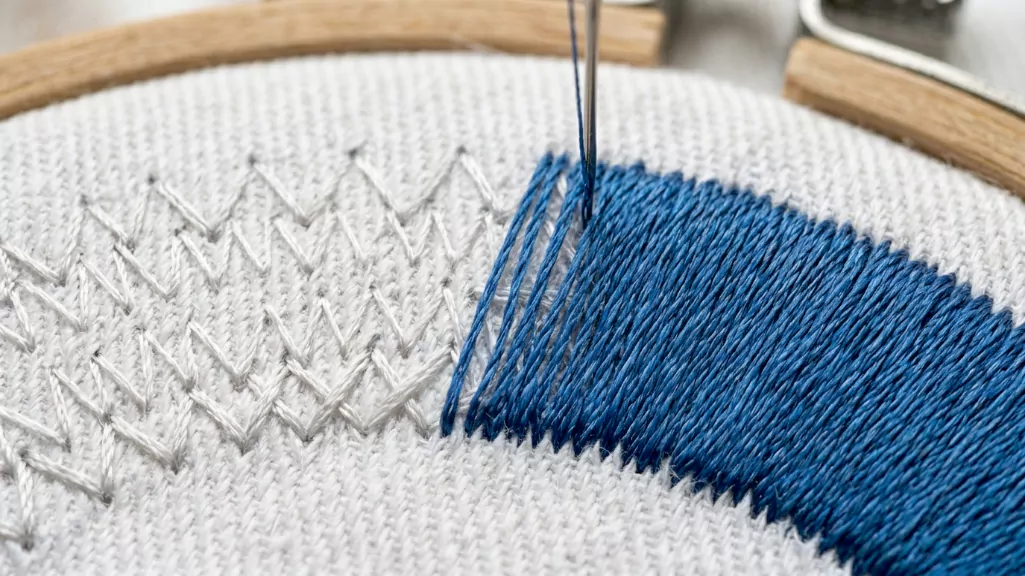
Underlay Stitch Stabilization
Edge-run and zigzag underlay stitches stabilize the cap fabric and support top stitches. Proper underlay prevents shifting and improves stitch alignment.
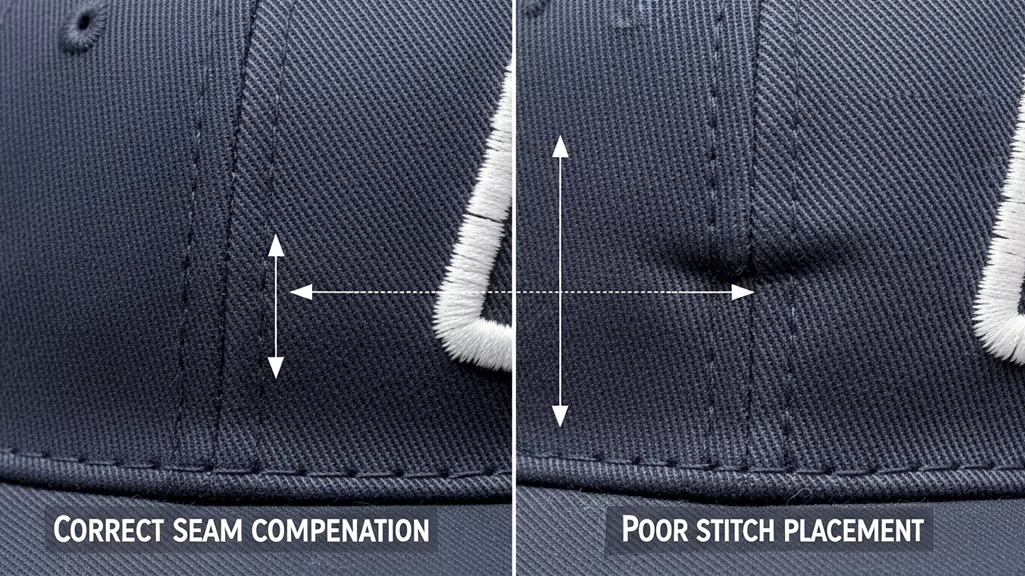
Seam Compensation and Stitch Placement
Most caps have a center seam that affects stitch alignment. Cap embroidery digitizing services adjust stitch paths to avoid seam distortion and maintain design symmetry.
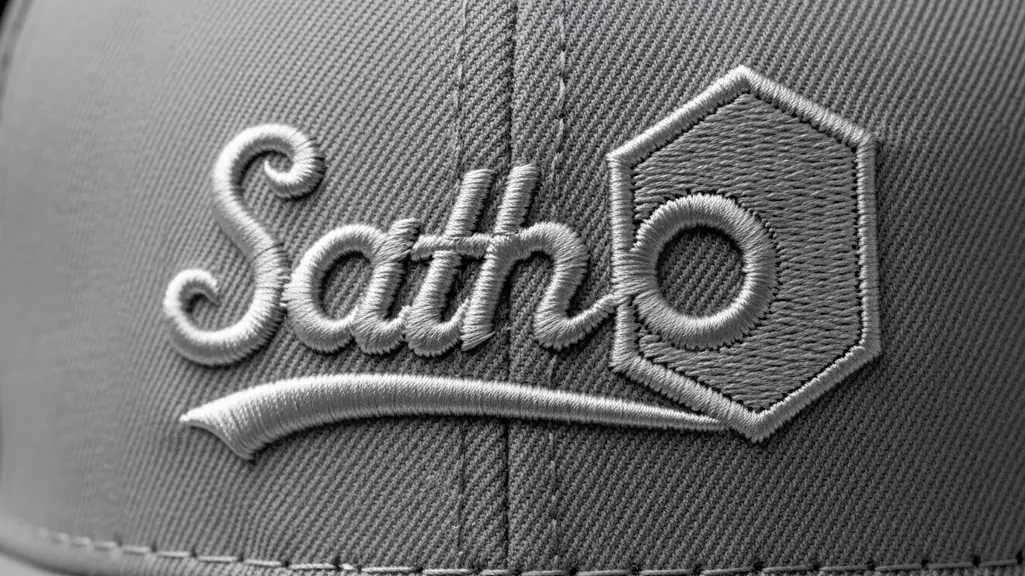
Stitch Density Optimization
Cap embroidery requires balanced stitch density to prevent excessive thread buildup. Controlled density maintains clean stitch coverage and reduces puckering on curved cap surfaces.
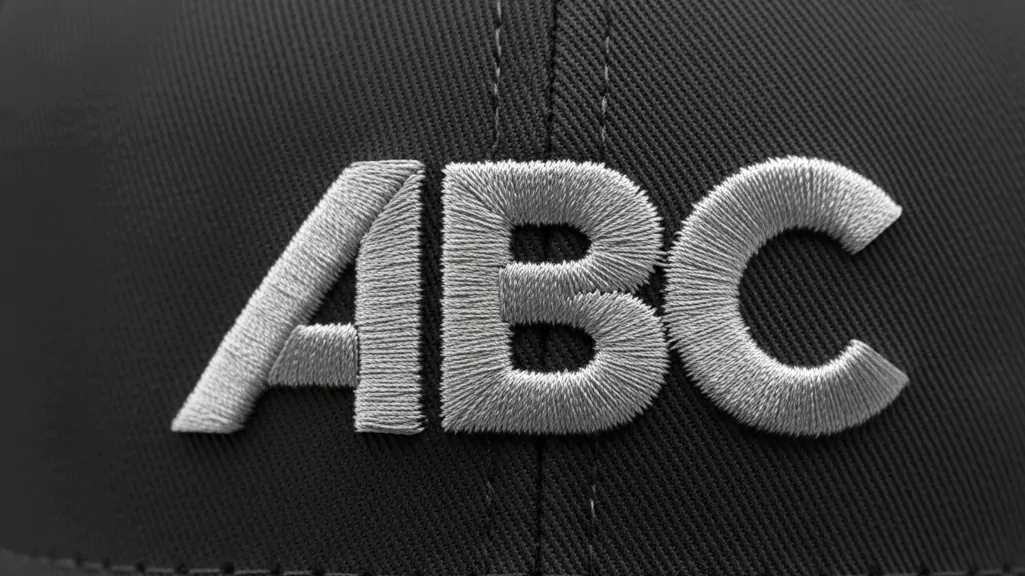
Pull Compensation Adjustment
Curved cap panels create stitch tension during embroidery. Proper pull compensation maintains accurate logo proportions and prevents shrinking.
Cap Embroidery Digitizing Process
Cap embroidery digitizing services follow a structured workflow to ensure accurate stitch alignment, balanced density, and stable embroidery on curved cap surfaces. Each step focuses on optimizing stitch behavior for cap front panels and center seam positioning.
The logo is analyzed and scaled within the standard cap embroidery height of 2.25 to 2.75 inches. Design elements are adjusted to maintain readable lettering and balanced stitch coverage.
Satin stitches are used for lettering and borders, while fill stitches cover larger design areas. Proper stitch type selection ensures clean embroidery edges.
Stitch density and underlay type are calibrated based on cap fabric and structure. Proper configuration prevents puckering and improves stitch stability.
Stitch sequencing is structured to begin from the center and move outward. This prevents seam distortion and maintains design alignment.
The final cap embroidery digitizing file is exported in DST, PES, EXP, JEF, or VP3 format, ensuring machine-ready embroidery performance.
Common Problems in Cap Embroidery and How We Fix Them
Cap embroidery digitizing services must address stitch distortion, seam interference, and density imbalance caused by curved cap surfaces. Proper digitizing adjustments ensure clear embroidery and stable machine performance.
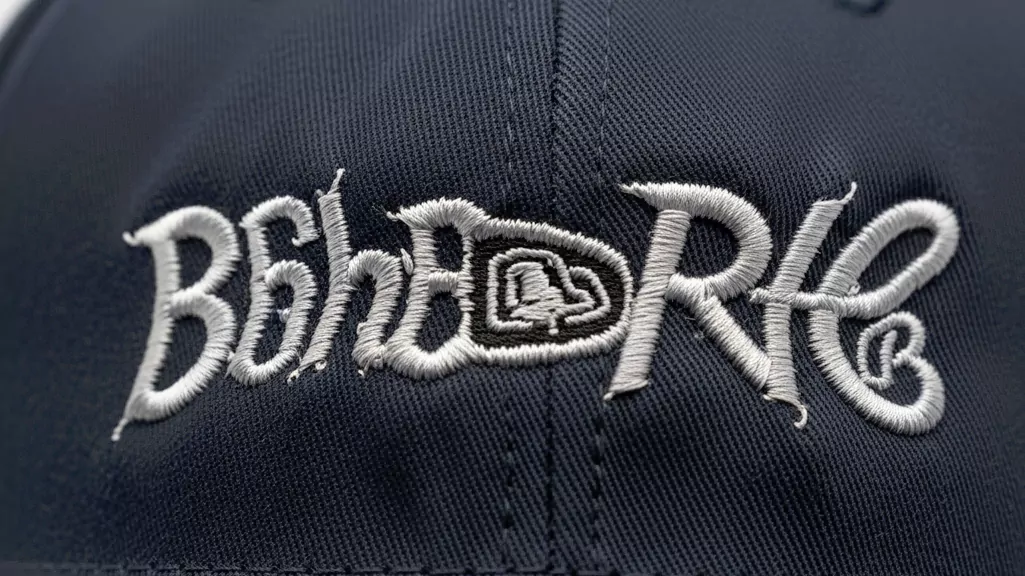
Logo Distortion on Curved Cap Panels
Curved surfaces create uneven stitch tension. We apply pull compensation and center-out sequencing to maintain accurate logo proportions.
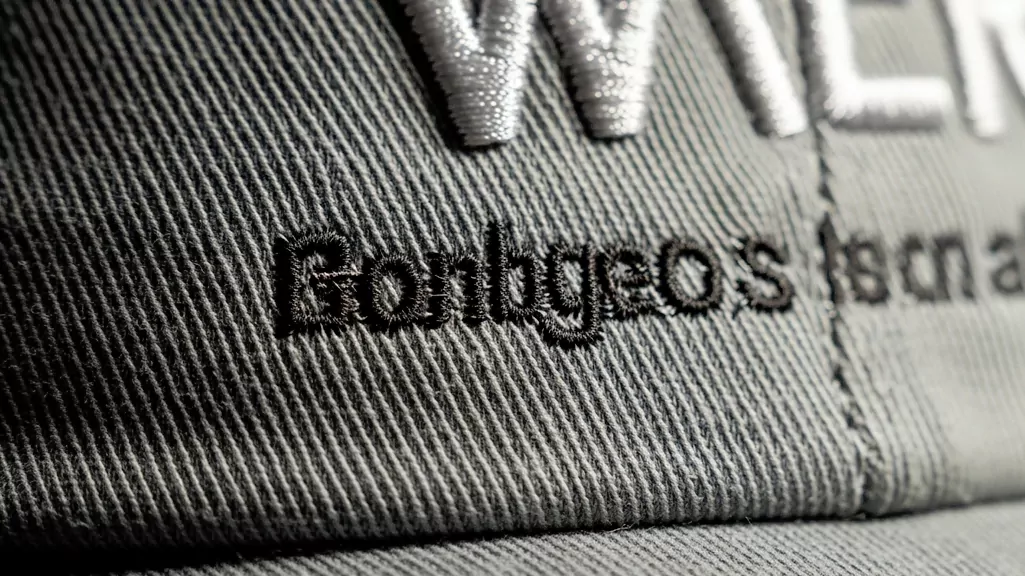
Small Lettering Becoming Unreadable
Narrow satin columns and excessive density can close small letters. We adjust column width and reduce density to maintain clear text.
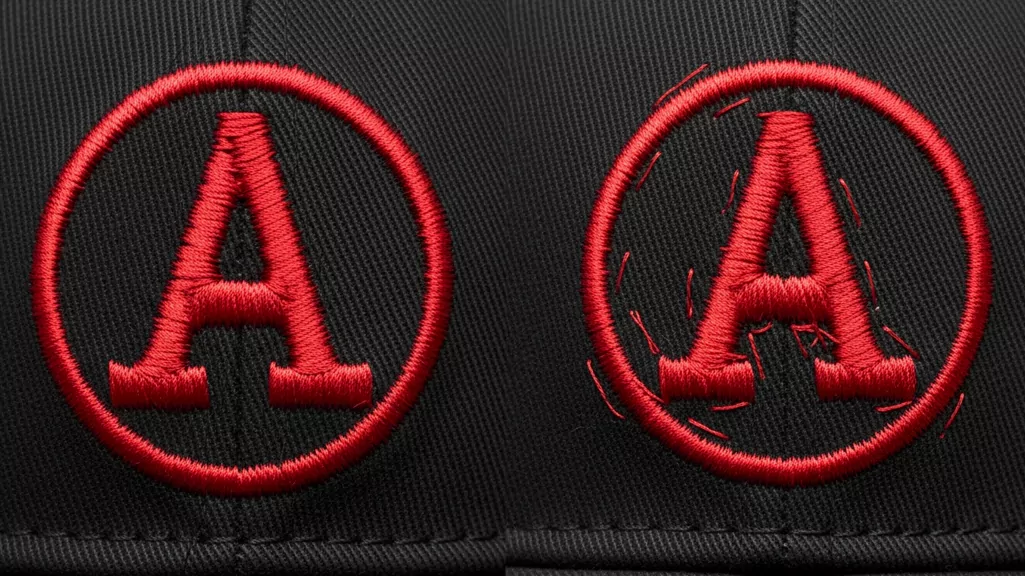
Stitch Distortion Over Center Seam
Center seams disrupt stitch alignment. Proper stitch path planning avoids seam interference and maintains symmetrical embroidery.
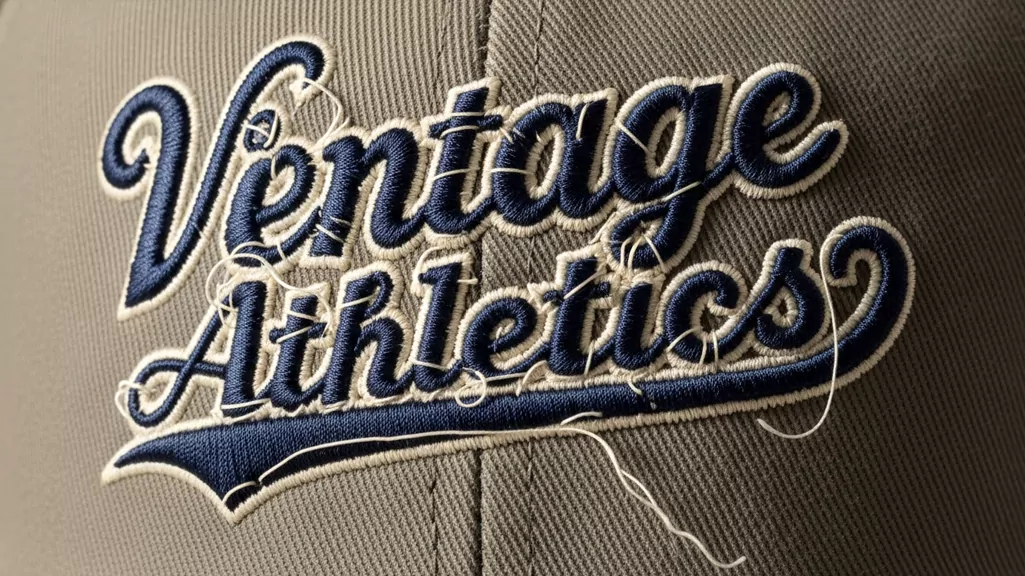
Thread Breaks During Embroidery
High density and inefficient stitch paths increase thread stress. Optimized sequencing improves thread flow and reduces break risk.
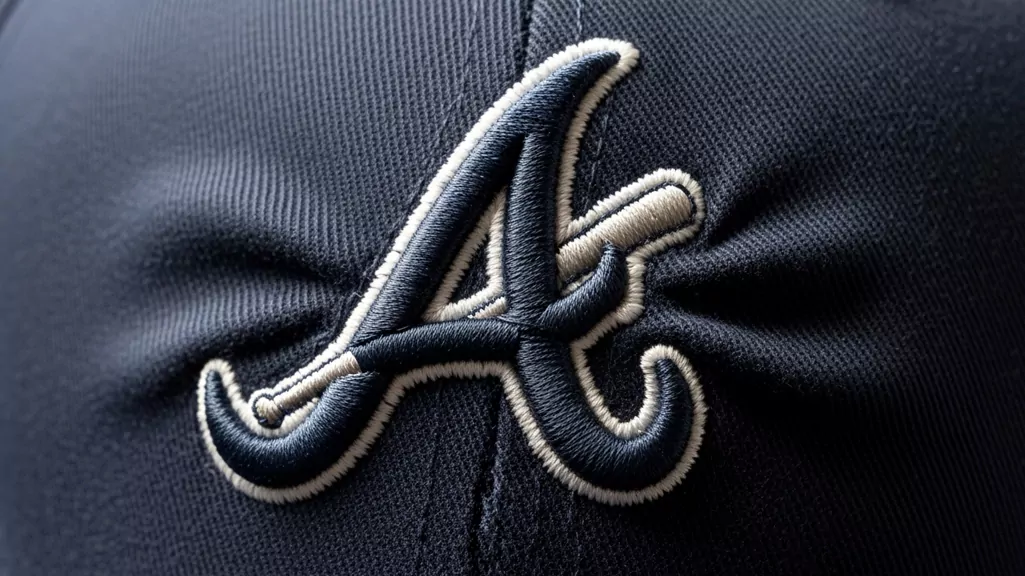
Fabric Puckering Around the Logo
Excessive stitch density can cause fabric wrinkling. Balanced density and proper underlay stabilize the cap surface.
Cap Types and Fabric-specific Digitizing Adjustments
Cap embroidery digitizing services must adjust stitch density, underlay, and pull compensation based on cap structure and fabric stability. Different cap types respond differently to stitch tension and require specific digitizing settings to maintain embroidery clarity.
Structured caps have reinforced front panels that provide strong embroidery stability. Standard stitch density and zigzag underlay maintain clean fill coverage and sharp lettering.
Foam front panels require controlled density and proper needle penetration spacing. Balanced stitch spacing prevents foam compression and maintains design clarity.
Beanies use flexible knit fabric that requires strong underlay and wider satin columns. These adjustments prevent stitches from sinking into soft material.
Unstructured caps use softer fabric that shifts during embroidery. Reduced stitch density and stronger underlay support prevent distortion and puckering.
Changing stitch angles between adjacent fill areas improves fabric stability and prevents thread layering in one direction. Controlled angle variation supports balanced embroidery coverage.
Machine and File Format Compatibility for Cap Embroidery Digitizing Services
Cap embroidery digitizing services must deliver machine-ready stitch files optimized for curved cap panels and center seam alignment. Proper file structure ensures accurate stitch sequencing, stable embroidery execution, and consistent production quality.
We provide cap embroidery digitizing files in DST, PES, EXP, JEF, and VP3 formats, compatible with Tajima, Brother, Barudan, Ricoma, and Happy embroidery machines. Optimized stitch paths, trim commands, and color stops improve machine efficiency, reduce thread breaks, and ensure consistent embroidery results during single-head and multi-head cap production runs.
Industries Using Cap Embroidery Digitizing Services
Cap embroidery digitizing services support businesses and organizations that require durable logo embroidery on hats and caps. Cap embroidery provides strong brand visibility and long-term logo durability.
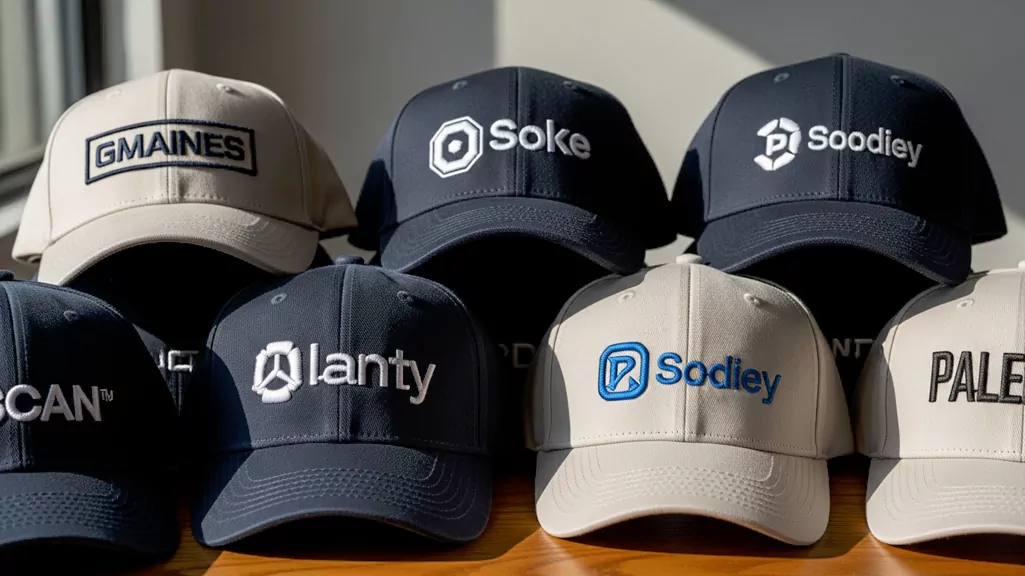
Corporate Branding and Promotional Companies
Businesses use embroidered caps for employee uniforms, promotional events, and brand marketing to increase company visibility.
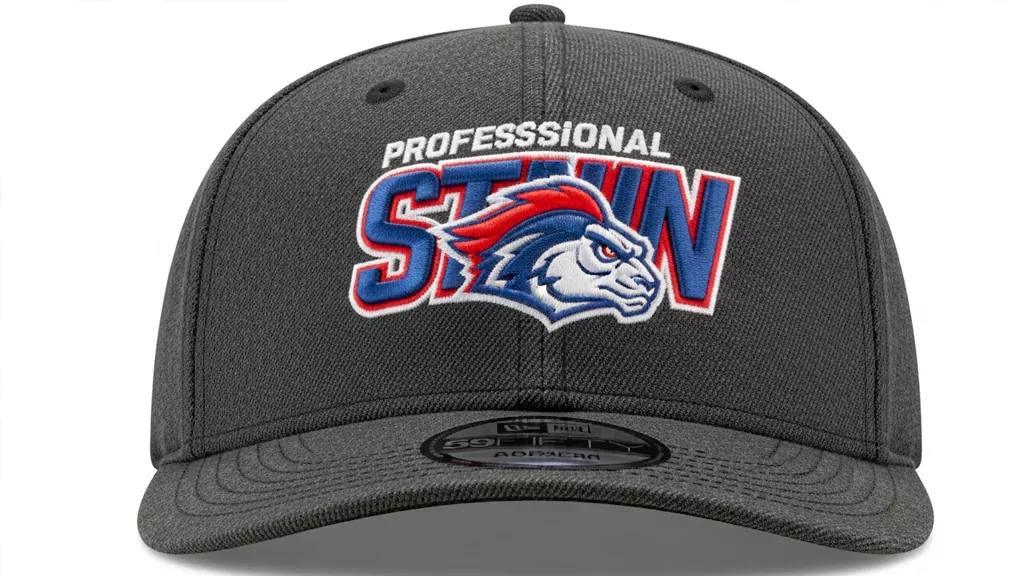
Sports Teams and Athletic Organizations
Sports teams apply embroidered logos and team names on baseball caps, training caps, and fan merchandise.
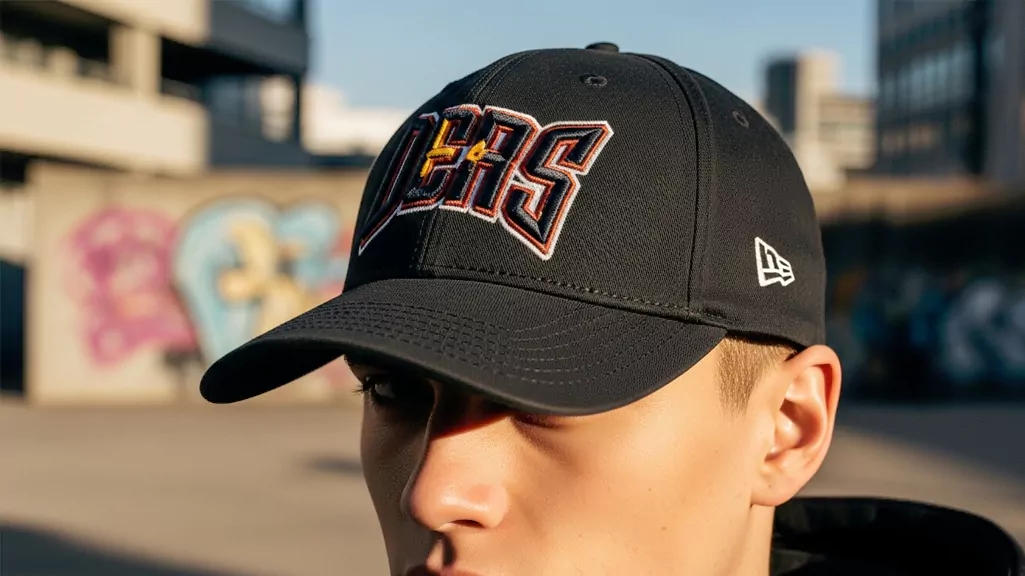
Fashion and Streetwear Brands
Fashion brands use embroidered cap logos to enhance product value and create recognizable brand identity.
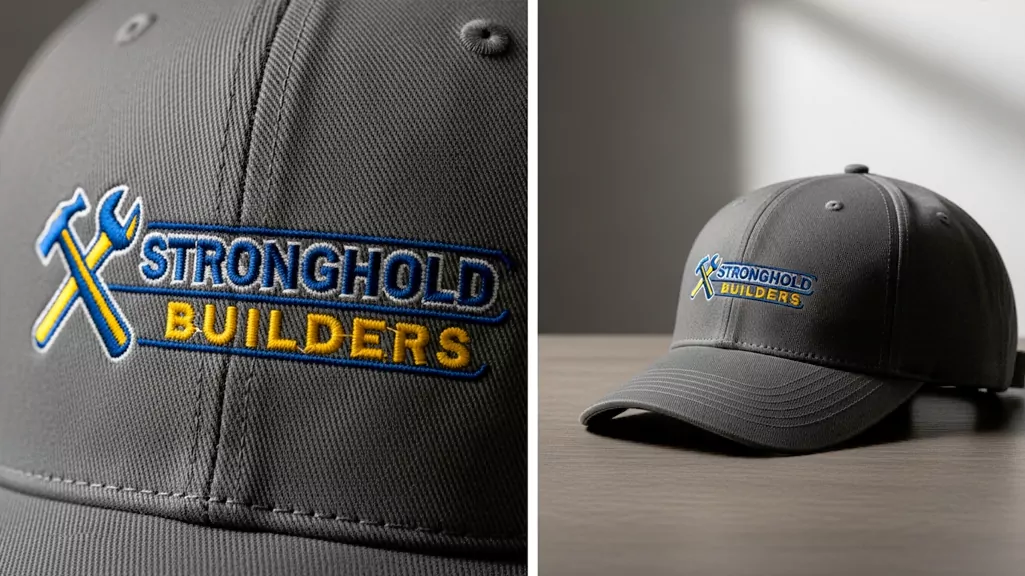
Construction and Industrial Companies
Industrial companies use embroidered caps as part of work uniforms for identification and branding.
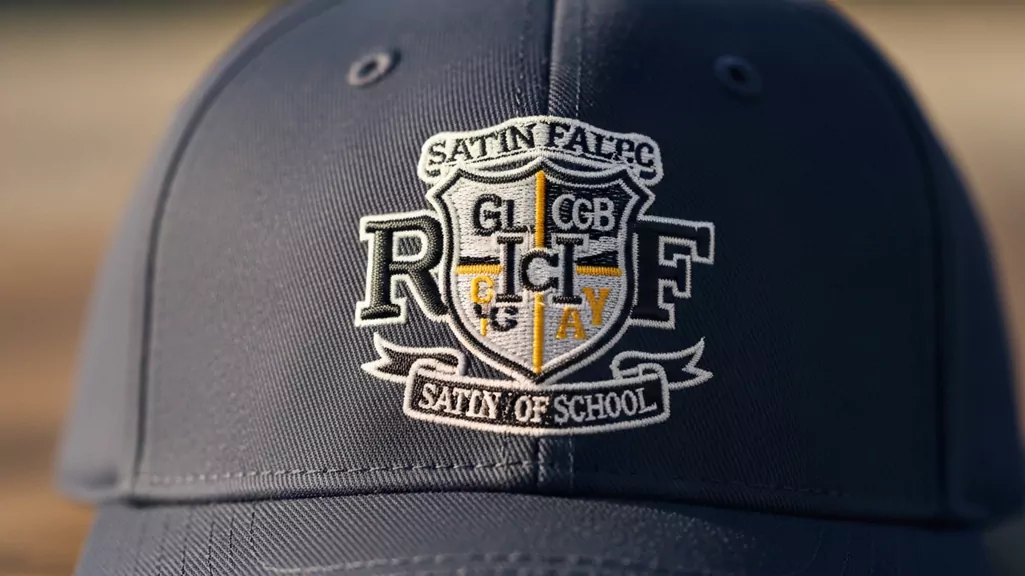
Schools and Educational Institutions
Schools and colleges use embroidered caps for staff uniforms, sports teams, and student merchandise.
Frequently Asked Questions About Cap Embroidery Digitizing Services
What is the standard size for cap embroidery?
Standard cap embroidery height ranges between 2.25 and 2.75 inches, with widths up to 5 inches, depending on cap structure.
What is the minimum letter size for cap embroidery?
Lettering should maintain a minimum height of 4 mm to 5 mm to remain readable on curved cap surfaces.
Which file formats do you provide for cap embroidery digitizing services?
We provide machine-ready files in DST, PES, EXP, JEF, and VP3 formats, compatible with all commercial embroidery machines.
Why is center-out stitching important for cap embroidery?
Center-out stitching balances fabric tension and prevents distortion caused by the cap’s curved front panel and center seam.
What types of caps support embroidery digitizing?
Cap embroidery digitizing services support baseball caps, snapbacks, trucker caps, beanies, and structured hats.
How long does cap embroidery digitizing take?
Standard turnaround time is 12 to 24 hours, depending on logo complexity and stitch count.
Which embroidery machines are supported?
Our files work with Tajima, Brother, Barudan, Ricoma, and Happy embroidery machines.
Do you provide revisions for cap digitizing services?
Yes. We provide revisions to ensure accurate stitch structure and production-ready embroidery results.