

Professional Jacket Back Embroidery Digitizing Services USA
Precision jacket back digitizing services for large embroidery designs, delivering optimized stitch density, balanced fill stitching, and machine-ready files for commercial production.
- Large logo digitizing for 7–14 inch jacket back designs
- Optimized fill stitch density for smooth, distortion-free embroidery
- Structured underlay support for heavy stitch count stability
- Machine-ready DST, PES, EXP, JEF, and VP3 files
- Fast turnaround with production-ready quality assurance
What is Jacket Back Digitizing?
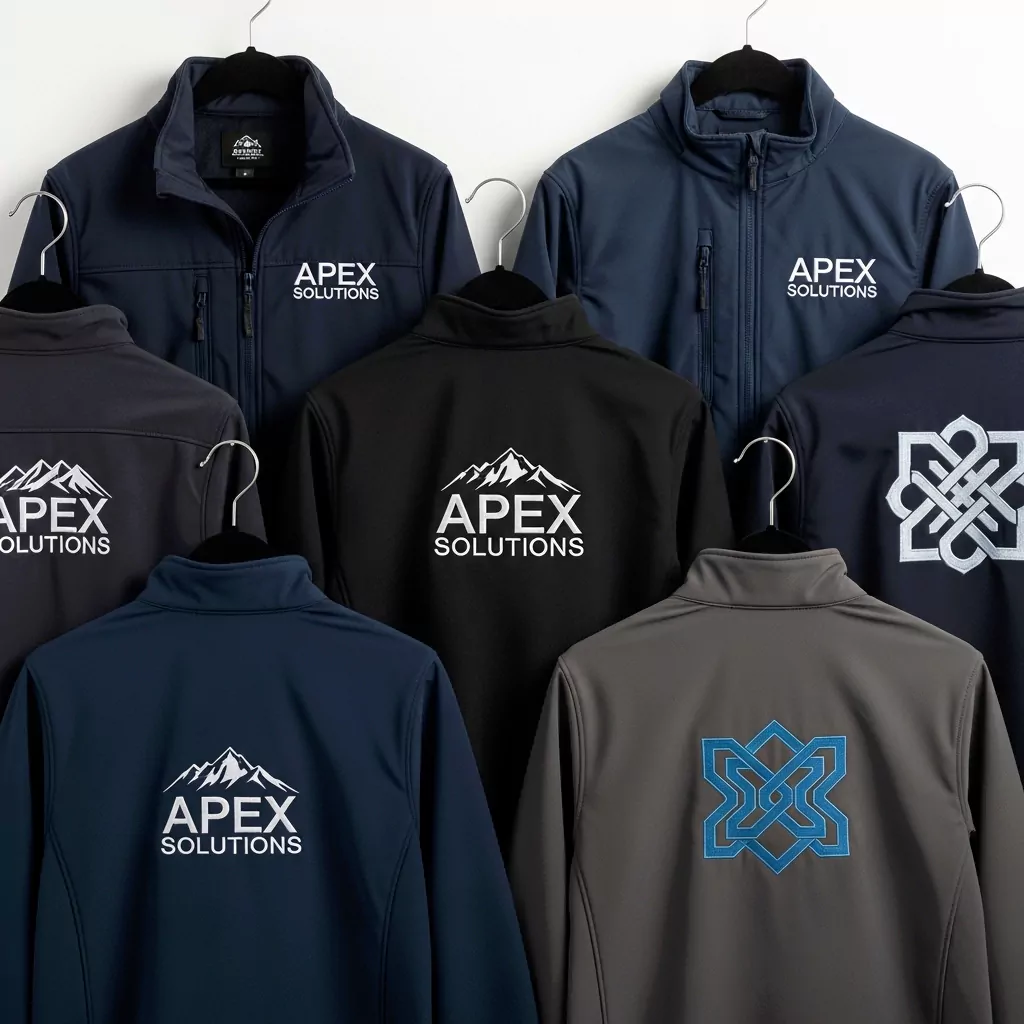
Jacket back digitizing services convert large logos and artwork into stitch files optimized for the back area of jackets. Jacket back embroidery typically ranges between 7 and 14 inches wide, requiring precise fill stitch planning and balanced stitch density to maintain design accuracy.
Large embroidery designs require controlled stitch sequencing, proper underlay support, and calibrated density to prevent fabric distortion. Unlike small logo digitizing, jacket back digitizing services must manage high stitch counts, often exceeding 50,000 stitches, while maintaining smooth embroidery flow.
Professional jacket back digitizing services ensure accurate stitch alignment, stable embroidery execution, and machine-ready files suitable for varsity jackets, corporate apparel, and fashion garments.
Why Choose Our Jacket Back Digitizing Services
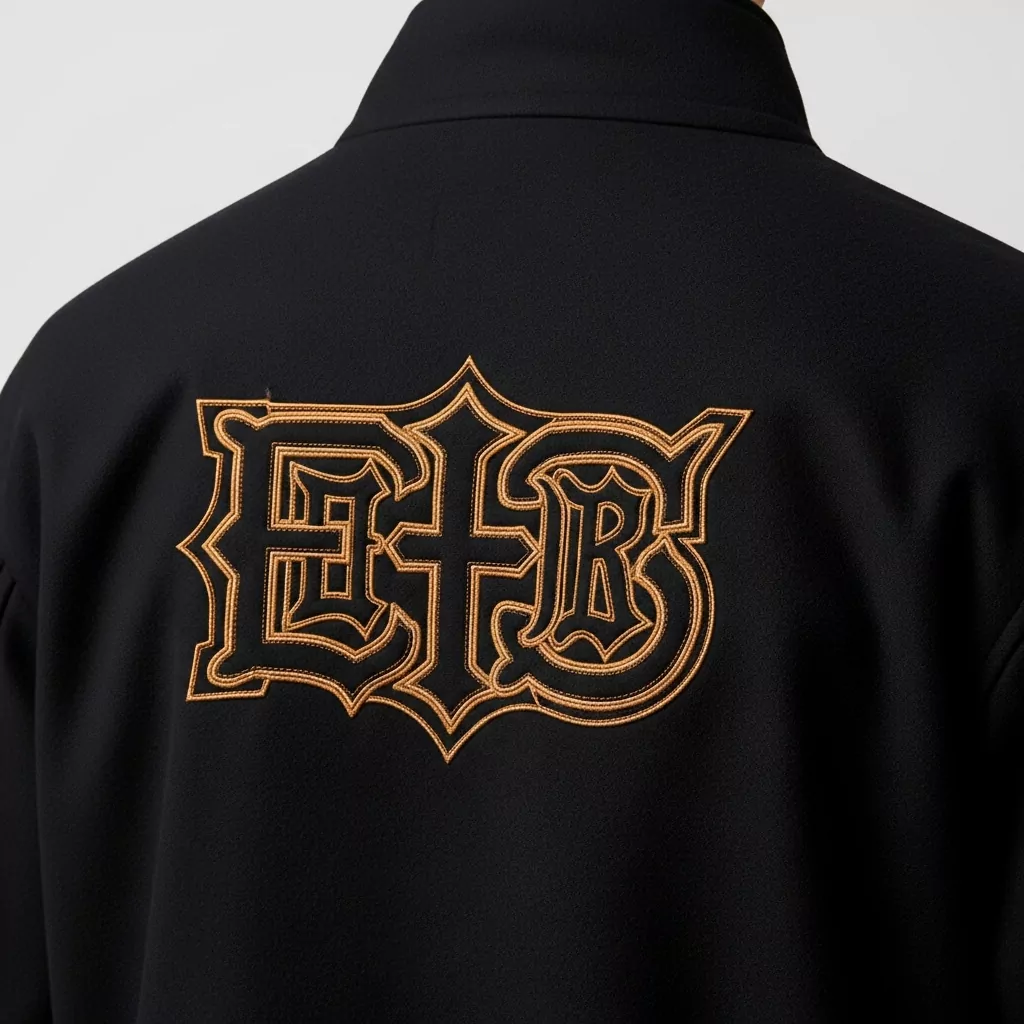
Choosing professional jacket back digitizing services ensures large embroidery designs maintain accurate proportions, balanced stitch density, and stable machine performance. Large designs require precise fill stitch planning and structured sequencing to prevent distortion and production issues.
Manual Digitizing for Large Design Accuracy
We manually digitize each jacket back design to control fill stitch direction, density, and border definition for clean embroidery results.
Optimized for High Stitch Count Designs
Our jacket back digitizing services structure stitch paths efficiently to support designs exceeding 50,000 stitches without machine strain.
Fabric-Specific Digitizing Adjustments
Digitizing settings are calibrated for denim, leather, polyester, and varsity jackets to maintain embroidery stability.
Machine-Ready Production Files
Files are optimized for Tajima, Brother, Barudan, and Ricoma machines, ensuring reliable embroidery execution.
Fast Turnaround with Free Revisions
We deliver jacket back digitizing services within 12–24 hours and provide revisions to ensure accurate stitch output.
Standard Jacket Back Embroidery Size and Design Requirements
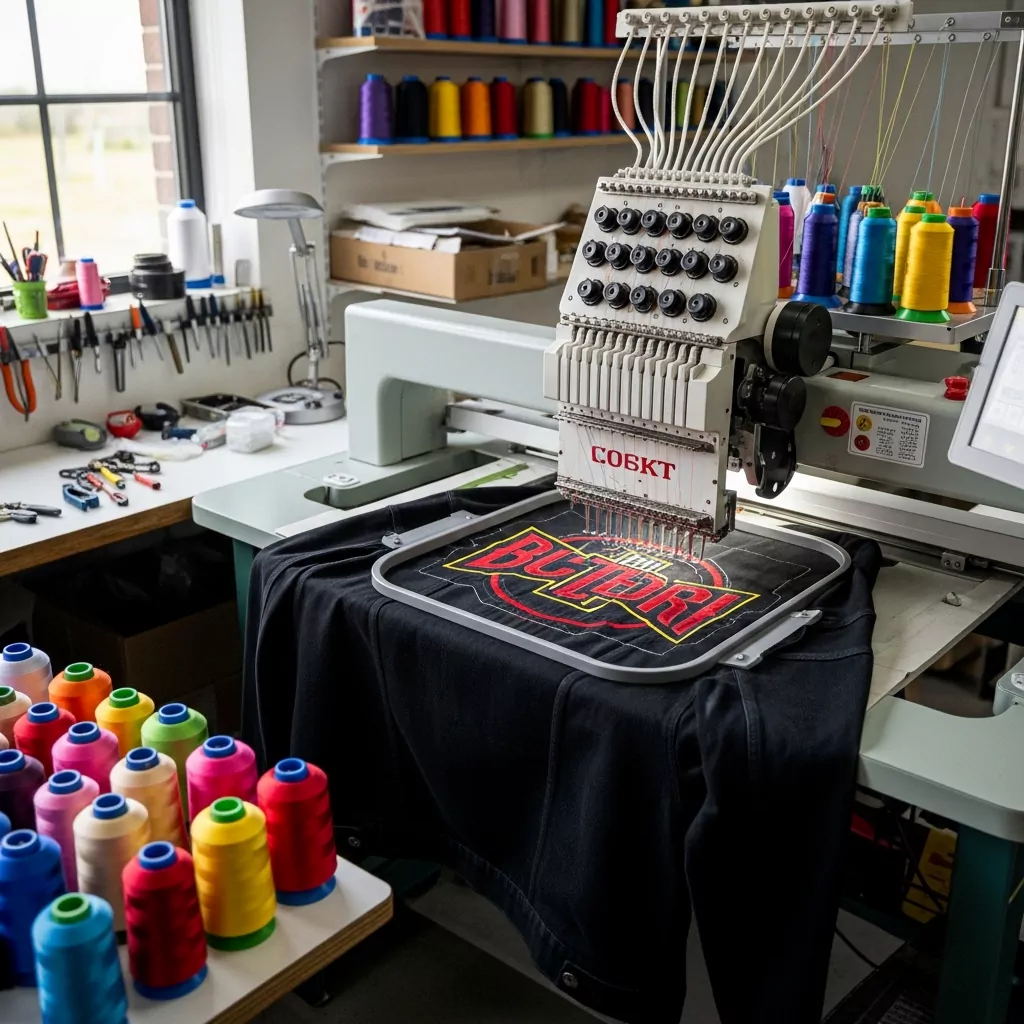
Jacket back digitizing services must accommodate large embroidery areas while maintaining stitch stability and design clarity. Standard jacket back embroidery size typically ranges between 7 inches and 12 inches wide, with maximum sizes reaching 14 inches, depending on embroidery hoop capacity and garment dimensions.
Large embroidery designs require optimized stitch density and structured fill patterns to prevent excessive thread buildup. Stitch count for jacket back embroidery often ranges between 50,000 and 150,000 stitches, depending on design complexity. Proper jacket back digitizing services adjust stitch spacing, fill direction, and underlay support to maintain smooth embroidery and consistent production results on heavy garments.
Request Your Free Quote
Expert embroidery digtzing and vector art converston services. Get
Embroidery Digitizing Semio
Step 1
Submit your design details
Step 2
Artwork review
Step 3
Approvel confirmation
Step 4
Final file delivery
100% Satisfaction Guaranteed
Expert embroidery digtzing and vector art converston services. Get
Technical Requirements for Jacket Back Digitizing Services
Jacket back digitizing services require precise technical adjustments to manage large embroidery areas, high stitch counts, and heavy garment fabrics. Proper stitch planning ensures smooth fill coverage, stable embroidery execution, and consistent production results.
Fill Stitch Density Optimization
Large jacket back designs use tatami fill stitches to cover wide areas. Stitch density must be balanced to prevent excessive thread buildup and reduce machine strain. Proper density ensures smooth surface coverage without puckering or distortion.
Underlay Stitch Stabilization
Large embroidery requires strong underlay support. Edge-run and zigzag underlay stitches stabilize the fabric and support top fill stitches. Proper underlay prevents shifting and maintains design alignment during embroidery.
Stitch Angle and Direction Control
Fill stitch direction affects design texture and stability. Consistent stitch angles improve thread flow and prevent uneven surfaces across large embroidery areas.
Pull Compensation for Large Designs
Large embroidery designs experience increased fabric tension. Controlled pull compensation maintains correct proportions and prevents shrinking or distortion during stitching.
Stitch Sequencing and Trim Optimization
Efficient stitch sequencing reduces unnecessary trims and jump stitches. Organized sequencing improves machine efficiency and supports stable embroidery across high stitch count designs.
Jacket Back Digitizing Process
Jacket back digitizing services follow a structured workflow to ensure large embroidery designs maintain stitch stability, balanced density, and accurate design proportions. Each stage focuses on optimizing stitch behavior for high stitch count embroidery.
The artwork is analyzed and scaled to the standard jacket back embroidery size range of 7 to 14 inches wide. Design elements are adjusted to maintain proper stitch coverage and structural balance.
Tatami fill stitches are applied to large areas, while satin stitches define borders and lettering. Proper stitch type selection ensures smooth embroidery surfaces and clean edges.
Stitch density and underlay types are calibrated based on garment fabric and design complexity. Proper calibration prevents puckering and maintains embroidery stability.
Fill stitch angles and stitch sequencing are structured to improve thread flow and reduce machine strain during embroidery production.
The final jacket back digitizing file is exported in DST, PES, EXP, JEF, or VP3 format with optimized trims and color stops to ensure machine-ready embroidery performance.
Large Design Stitch Techniques for Jacket Back Digitizing
Jacket back digitizing services must use specialized stitch techniques to maintain stability across large embroidery areas. Large designs require controlled fill stitching, balanced stitch direction, and structured sequencing to ensure consistent embroidery quality.
Tatami Fill Stitch Structure
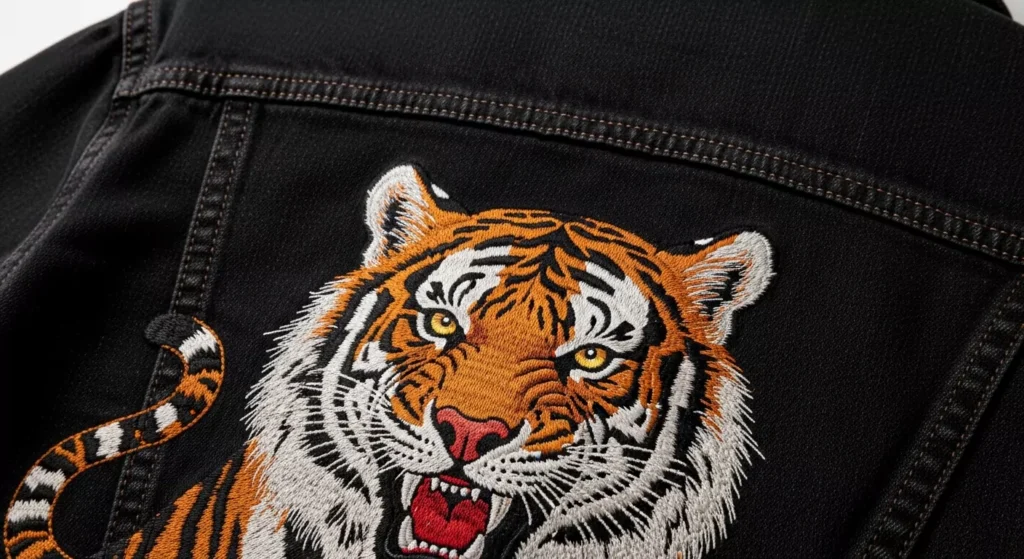
Tatami fill stitches are used to cover large design areas efficiently. Proper row spacing and stitch angle alignment ensure smooth surface coverage and prevent uneven embroidery texture.
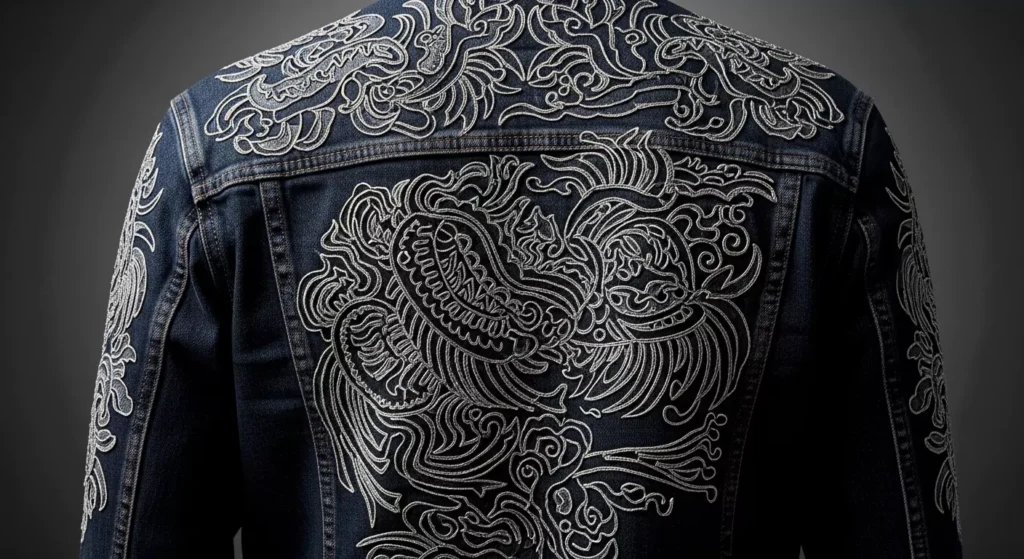
Segmentation of Large Fill Areas
Large embroidery areas are divided into smaller stitch sections to reduce fabric tension and improve stitch stability. Segmentation prevents thread stress and maintains consistent stitch alignment.
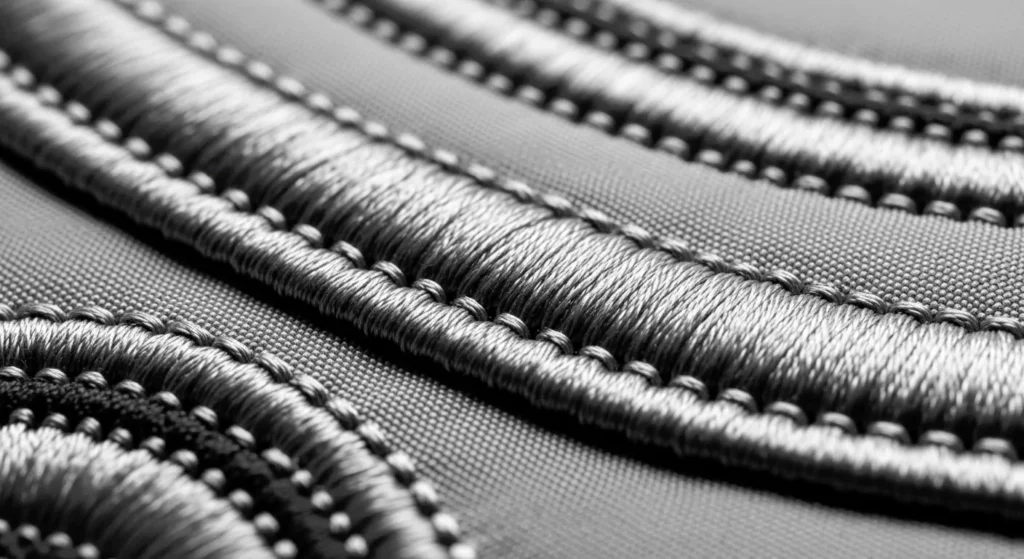
Satin Stitch Border Reinforcement
Satin stitches define edges and lettering within jacket back embroidery. Proper satin column width ensures clean borders and prevents edge distortion.
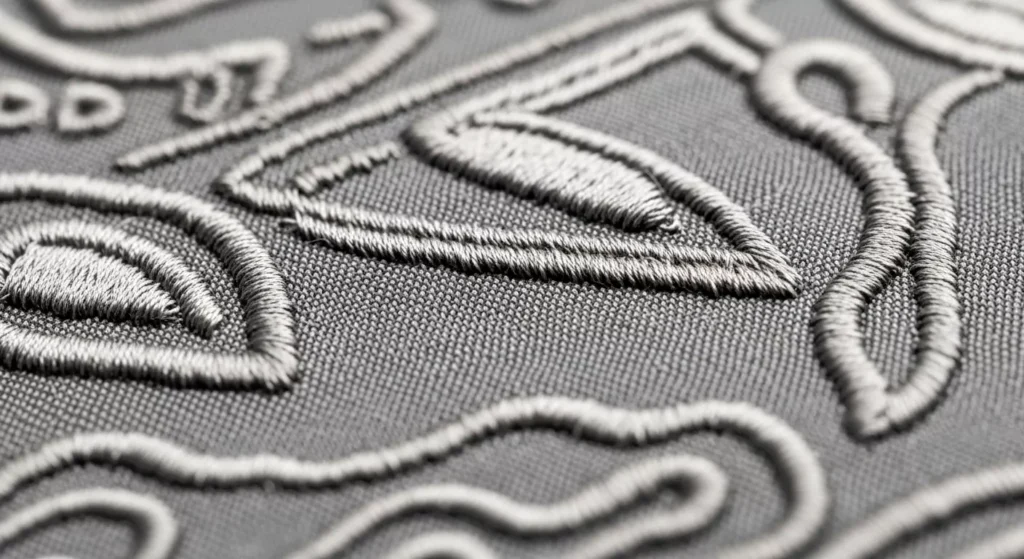
Stitch Angle Variation for Stability
Changing stitch angles between adjacent fill areas improves fabric stability and prevents thread layering in one direction. Controlled angle variation supports balanced embroidery coverage.
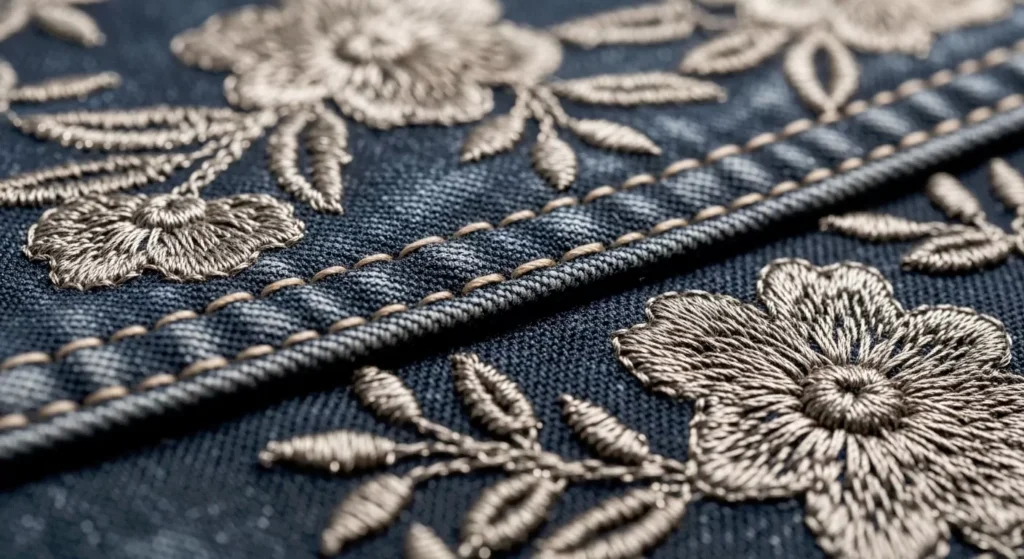
Thread Path Optimization
Efficient stitch sequencing reduces excessive trims and jump stitches. Organized thread paths improve machine efficiency and reduce production downtime.
Fabric-specific Jacket Back Digitizing Adjustments
Jacket back digitizing services must be calibrated according to fabric thickness, surface texture, and stability. Large embroidery designs create higher stitch tension, requiring fabric-specific density, underlay, and stabilization adjustments to maintain embroidery quality.
Denim provides strong structural support for large embroidery. Standard fill stitch density and zigzag underlay stabilize large designs, while balanced stitch spacing prevents excessive thread buildup on thick fabric.
Lightweight synthetic fabrics require stabilizer support and controlled density to prevent puckering. Proper underlay and balanced stitch direction maintain design alignment.
Heavy workwear fabrics allow stable stitch placement but require optimized sequencing to manage high stitch counts efficiently.
Leather requires reduced needle penetration density to prevent material damage. Controlled fill spacing and minimal underlay reduce perforation risk and maintain clean embroidery surfaces.
Wool and varsity jackets require wider fill spacing and strong underlay support. These adjustments prevent stitch sinking and ensure consistent embroidery visibility.
Machine and File Format Compatibility for Jacket Back Digitizing Services
Our jacket back digitizing services deliver machine-ready files in DST, PES, EXP, JEF, and VP3 formats for large embroidery designs. Each file includes optimized fill stitches, proper trims, and organized color stops. Files are compatible with Tajima, Brother, Barudan, and Ricoma machines. Structured stitch sequencing reduces thread breaks and ensures stable embroidery performance during high stitch count and bulk jacket production.
Common Problems in Jacket Back Embroidery and How We Fix Them
Jacket back digitizing services must control stitch density, fill structure, and fabric stabilization to prevent defects in large embroidery designs. Proper digitizing ensures smooth stitching and stable production results.
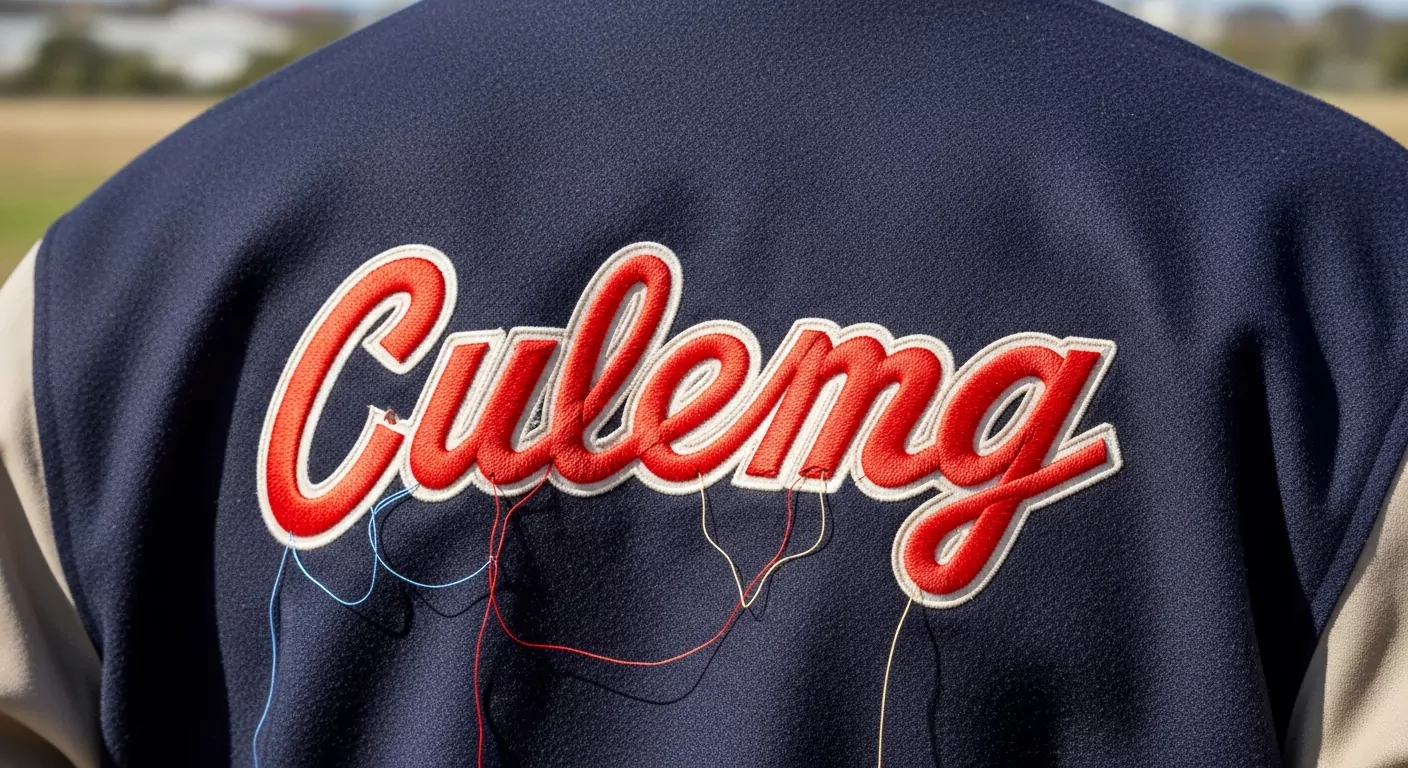
Fabric Puckering Under Large Fill Areas
High stitch density can cause fabric tension and surface wrinkling. We balance fill stitch density and apply proper underlay support to maintain flat embroidery surfaces.
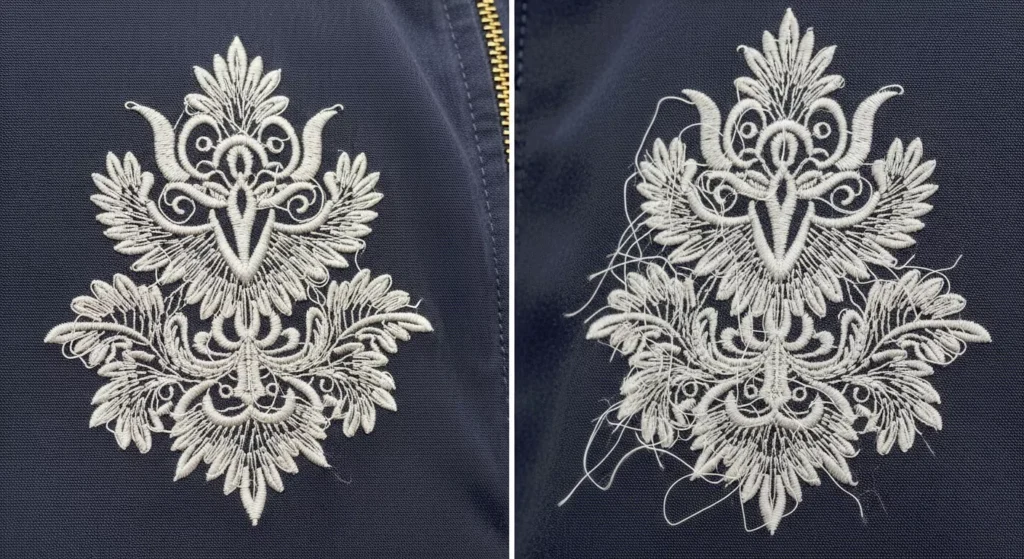
Thread Breaks During High Stitch Count Embroidery
Large designs increase machine load and thread stress. Optimized stitch sequencing and controlled density improve thread flow and reduce break risk.
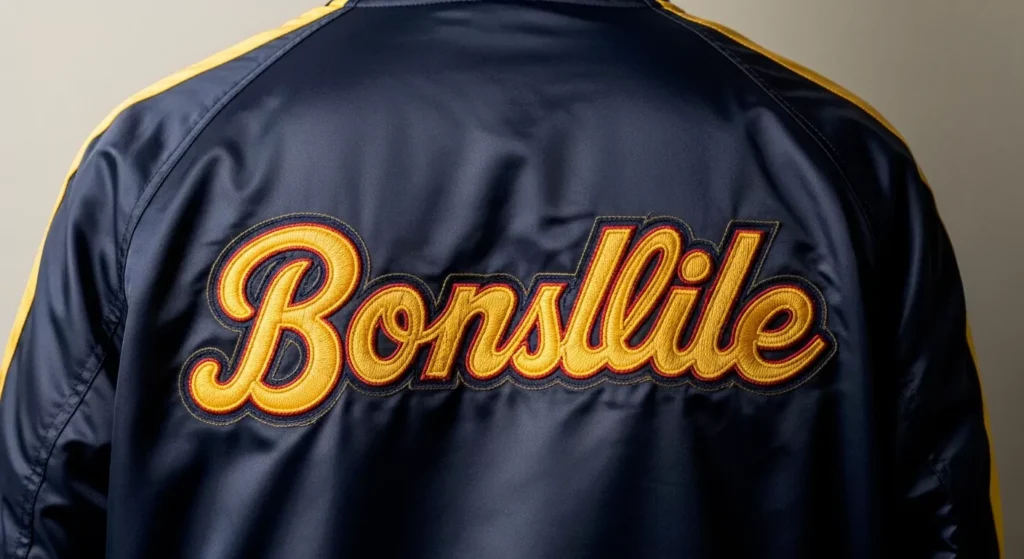
Design Distortion and Shrinking
Large embroidery areas may shrink due to fabric pull. Proper pull compensation and fill segmentation maintain accurate design proportions.
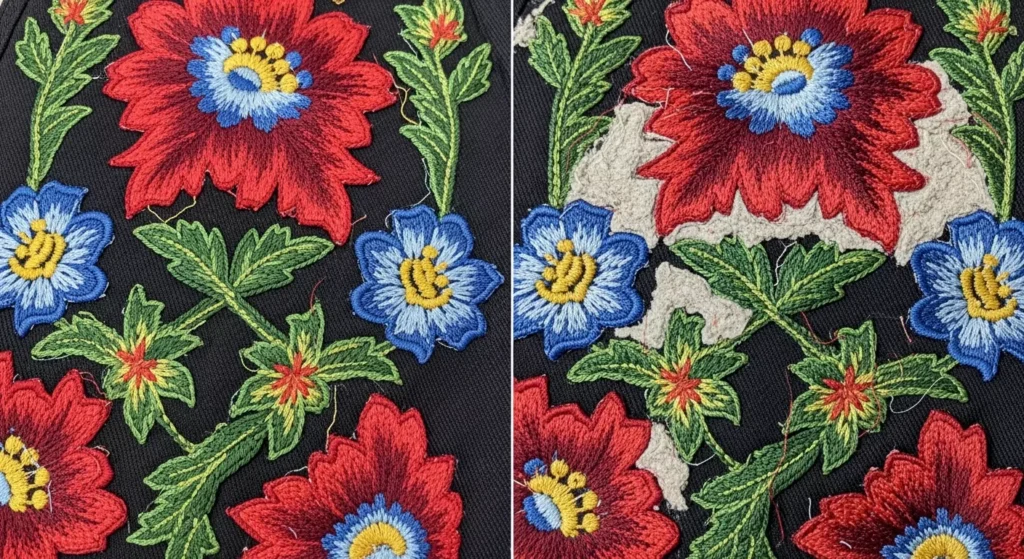
Uneven Fill Stitch Coverage
Incorrect stitch direction can create visible gaps or uneven texture. Controlled stitch angle alignment ensures consistent fill coverage.
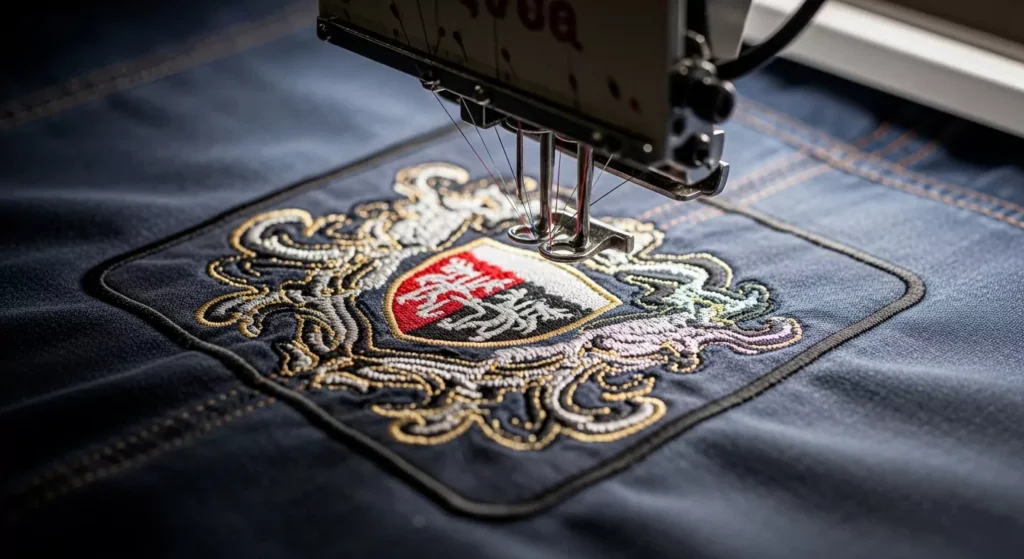
Machine Slowdown During Production
Excessive trims and inefficient stitch paths reduce production efficiency. Organized stitch sequencing improves machine speed and stability.
Industries Using Jacket Back Digitizing Services
Jacket back digitizing services are widely used by organizations that require large, high-visibility embroidery for branding and identification. Large back embroidery improves logo visibility and creates strong visual impact on garments.
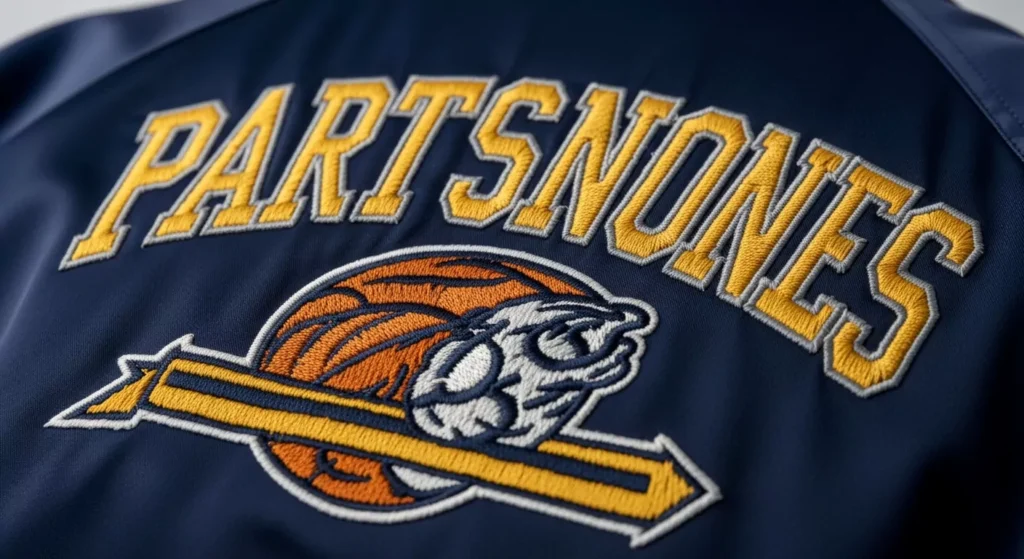
Sports Teams and Athletic Organizations
Sports teams use jacket back embroidery for team logos and branding on varsity jackets, warm-up jackets, and training apparel.
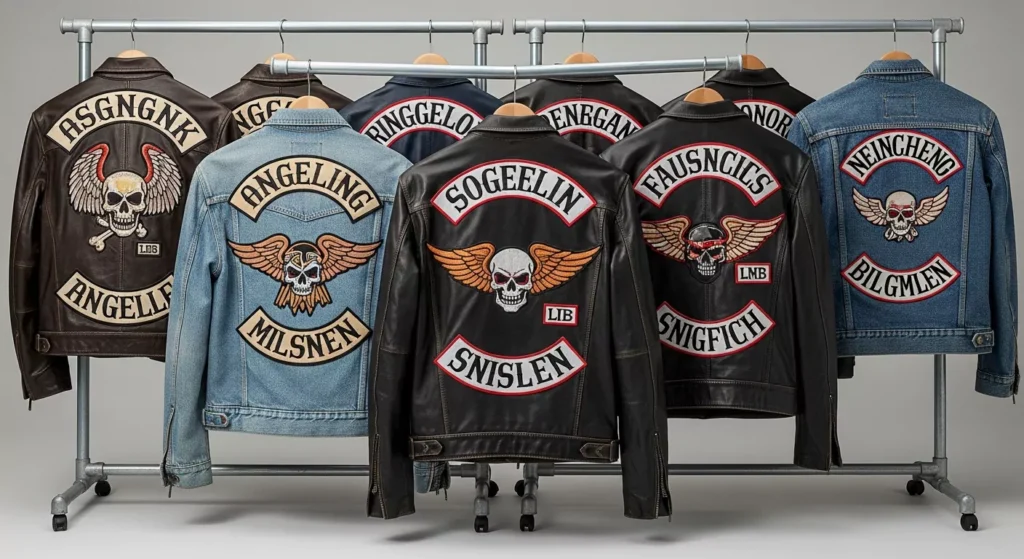
Motorcycle Clubs and Riding Groups
Motorcycle clubs apply large embroidered logos on the back of leather and denim jackets for club identification and branding.
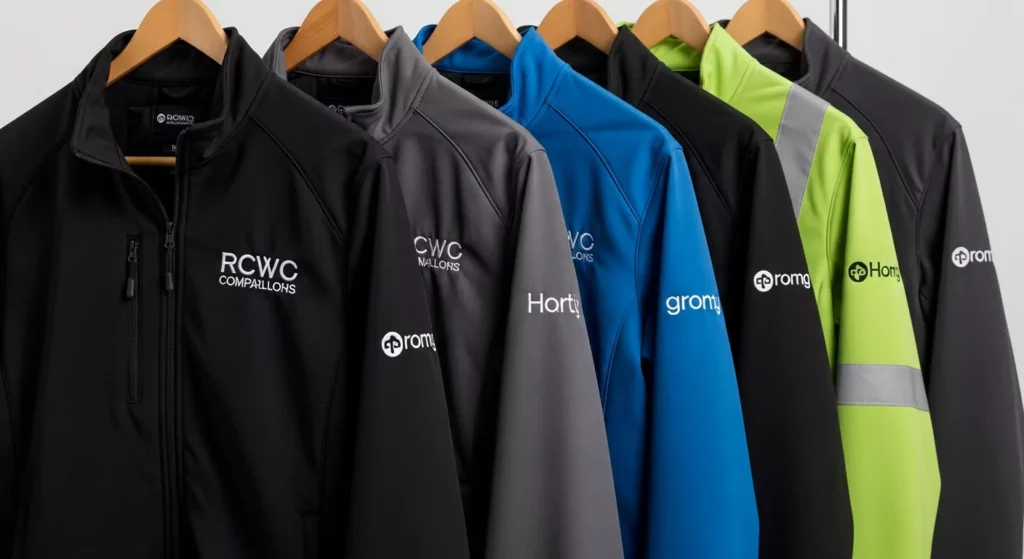
Corporate and Industrial Companies
Businesses use jacket back digitizing services to embroider logos on employee jackets, improving brand visibility and professional appearance.
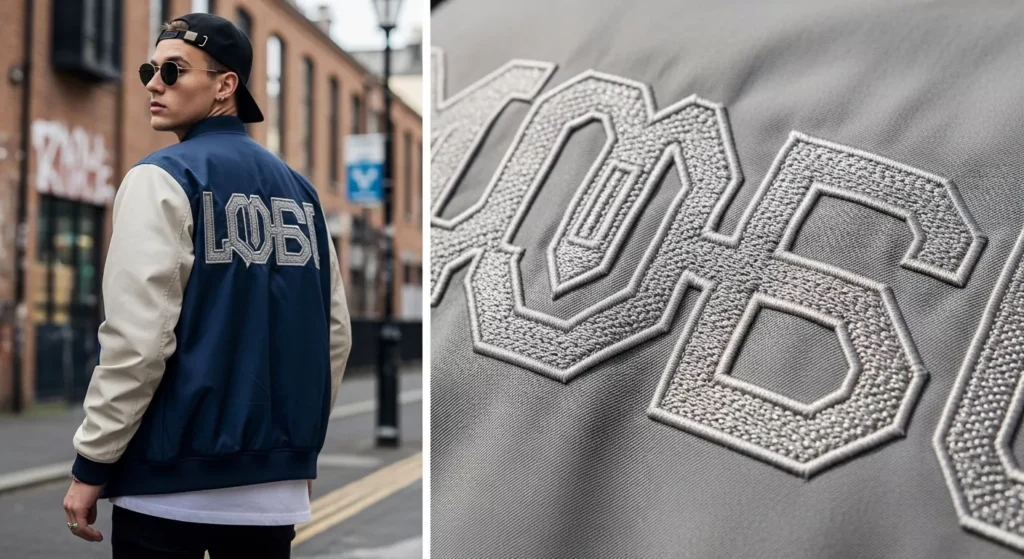
Fashion and Streetwear Brands
Fashion brands use large back embroidery to create bold garment designs and enhance product value.
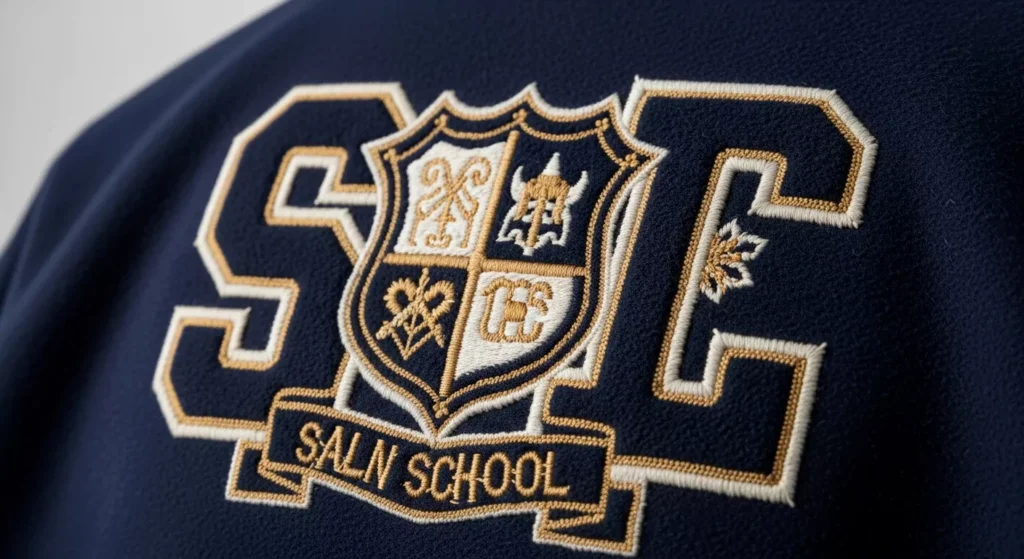
Schools and Educational Institutions
Schools and colleges apply embroidered logos and mascots on varsity jackets and staff apparel.
Frequently Asked Questions About Jacket Back Digitizing Services
What is the standard size for jacket back embroidery?
Jacket back embroidery typically ranges between 7 and 12 inches wide, with maximum sizes up to 14 inches, depending on garment size and hoop capacity.
How many stitches does a jacket back design usually require?
Large jacket back designs often require 50,000 to 150,000 stitches, depending on artwork size, fill areas, and design complexity.
Which file formats do you provide for jacket back digitizing services?
We provide machine-ready files in DST, PES, EXP, JEF, and VP3 formats, compatible with all commercial embroidery machines.
What garments support jacket back embroidery?
Jacket back embroidery is commonly applied to varsity jackets, denim jackets, leather jackets, corporate jackets, and fashion garments.
How long does jacket back digitizing take?
Standard turnaround time for jacket back digitizing services is 12 to 24 hours, depending on design complexity and stitch count.
Do large embroidery designs cause fabric distortion?
Large embroidery can cause distortion if stitch density is not optimized. Proper fill stitch planning and pull compensation prevent distortion.
Which embroidery machines are supported?
Our jacket back digitizing services support Tajima, Brother, Barudan, Ricoma, and other industrial embroidery machines.
Do you provide revisions for jacket back digitizing?
Yes. We provide revisions to ensure accurate stitch structure and production-ready embroidery output.