

Professional 3D Puff Embroidery Digitizing Services USA
Precision 3D puff embroidery digitizing services delivering raised foam embroidery, optimized satin stitch density, and machine-ready files for caps and structured garments.
- Manual 3D puff digitizing with foam thickness optimization
- High-density satin stitch control for clean raised edges
- Cap-specific stitch sequencing and center-out alignment
- Machine-ready DST, PES, EXP, JEF, and VP3 files
- Fast turnaround with free production revisions

What is 3d Puff Embroidery Digitizing?
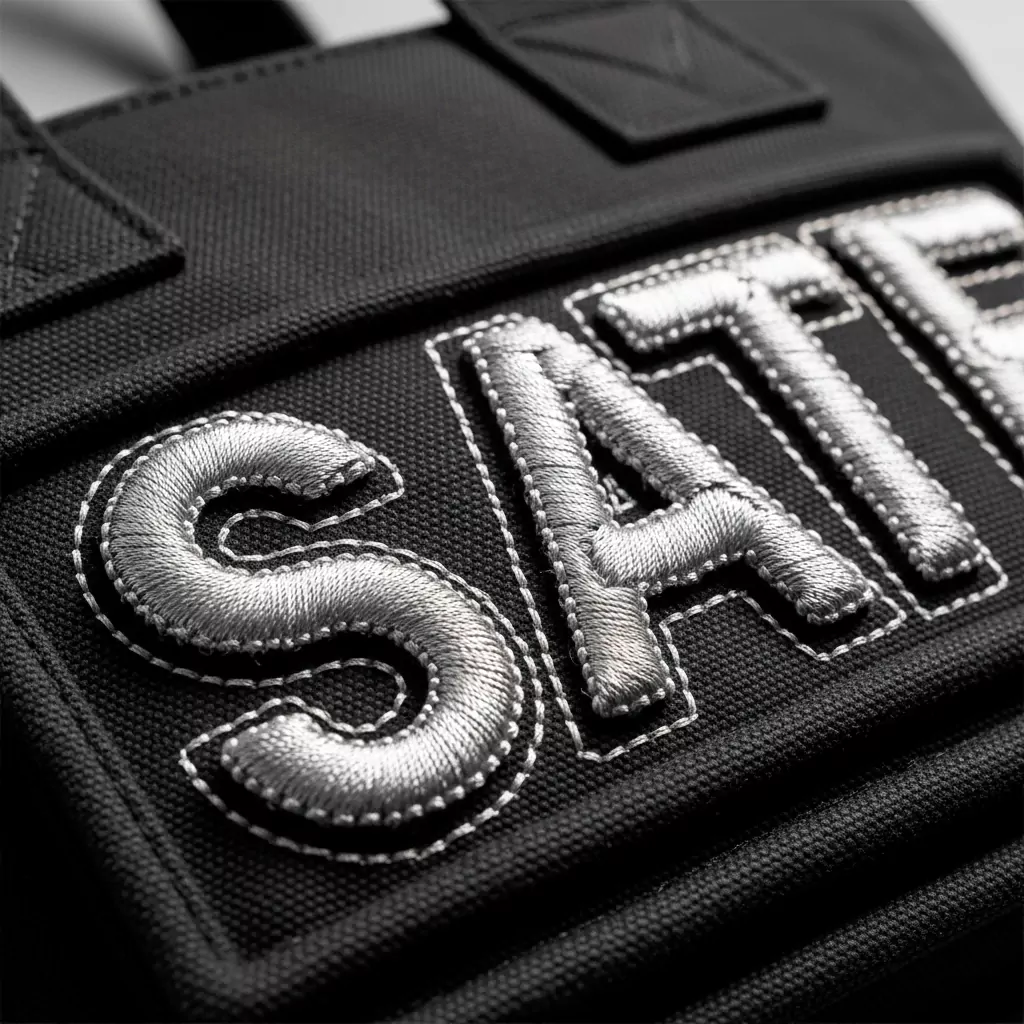
3D puff embroidery digitizing services convert artwork into raised stitch files designed to work with embroidery foam placed beneath the thread. Unlike flat embroidery, 3D puff embroidery creates a bold, elevated surface by using high-density satin stitches stitched over foam material. The foam lifts the thread above the fabric, producing a three-dimensional effect commonly used on caps, hats, and structured garments.
3D puff digitizing requires wider satin columns, controlled stitch density, and precise push-pull compensation to prevent gaps and foam exposure. The design must be structured specifically for raised embroidery, ensuring clean edges, balanced stitch coverage, and smooth machine execution.
Professional 3D puff embroidery digitizing services focus on stitch sequencing, foam thickness calculation, and column width alignment to maintain durability and consistent raised embroidery output in commercial production.
Request Your Free Quote
Expert embroidery digtzing and vector art converston services. Get
Embroidery Digitizing Semio
Step 1
Submit your design details
Step 2
Artwork review
Step 3
Approvel confirmation
Step 4
Final file delivery
100% Satisfaction Guaranteed
Expert embroidery digtzing and vector art converston services. Get
Why Choose Our 3d Puff Embroidery Digitizing Services
Choosing the right 3D puff embroidery digitizing services directly affects production quality, machine efficiency, and final logo appearance. Raised embroidery requires technical precision beyond standard flat digitizing, and every stitch must be structured for foam compression and cap alignment.
100% Manual 3D Puff Digitizing
We manually digitize every 3D puff design to control satin column width, stitch direction, and foam coverage. Manual digitizing ensures cleaner edges and consistent raised height compared to automated software output.
Foam Optimization Expertise
Proper foam compression depends on balanced stitch density and controlled underlay. Our 3D puff embroidery digitizing services calculate density precisely to prevent foam exposure and uneven elevation.
Cap-Specific Stitch Sequencing
Structured caps require center-out stitching and seam awareness. We align stitch paths strategically to maintain logo symmetry and prevent distortion across curved front panels.
Production-Ready File Testing
Every 3D puff embroidery digitizing file is structured for smooth machine execution. We optimize trims, jumps, and sequencing to reduce thread breaks during bulk embroidery production.
Fast Turnaround with Free Revisions
We deliver professional 3D puff embroidery digitizing services within 12–24 hours and provide revisions to ensure the final stitch output meets production standards.
How 3d Puff Embroidery Digitizing Works
Professional 3D puff embroidery digitizing services follow a structured technical process to ensure clean raised embroidery and smooth machine performance.
The process begins by selecting the appropriate foam thickness based on design size and desired raised height. Standard 3D puff embroidery uses medium-density foam to create a bold but stable elevation without collapsing under stitch pressure.
Satin stitch columns must be wide enough to properly cover the foam. In most cases, a minimum column width of approximately 2.5mm is recommended. Narrow columns can split the foam or cause uneven raised edges during embroidery.
3D puff embroidery requires increased satin stitch density compared to flat embroidery. Higher density ensures complete foam coverage, prevents exposure, and creates smooth, solid raised lettering or logo outlines.
An edge run stitch is applied to define sharp borders and secure the foam beneath the satin stitches. This step improves edge clarity and reduces the risk of foam showing outside the stitched area.
Foam adds additional resistance during stitching. We adjust pull compensation to maintain correct stitch width and prevent shrinking or distortion once the embroidery machine compresses the foam.
Proper trim placement and minimal jump stitches are essential in 3D puff embroidery digitizing services. Optimized sequencing reduces thread breaks and ensures consistent production across single-head and multi-head embroidery machines.
Technical Requirements for 3d Puff Embroidery Digitizing
Successful 3D puff embroidery digitizing services require precise technical control. Raised embroidery behaves differently from flat stitching because foam adds resistance, height, and compression during machine operation. Every design must be structured specifically for foam-based embroidery.
Satin stitch columns must maintain sufficient width to properly cover foam. In most professional 3D puff embroidery digitizing services, a minimum column width of 2.5mm to 3.0mm is recommended. Columns narrower than this may cut through foam or fail to create consistent raised height.
3D puff embroidery requires higher stitch density compared to flat embroidery. Increased density compresses the foam evenly and prevents gaps between stitches. However, density must be balanced carefully to avoid thread breaks and excessive machine strain.
Unlike flat embroidery, heavy underlay can flatten foam and reduce the raised effect. In 3D puff embroidery digitizing services, underlay is minimized or strategically adjusted to maintain elevation while still stabilizing the fabric base.
Consistent stitch direction across satin columns ensures uniform foam compression. Sudden angle changes can cause uneven height, distortion, or visible stitching inconsistencies in the final embroidered result.
Foam increases inward pull during stitching. Accurate pull compensation adjustments prevent shrinkage and maintain correct logo proportions once the foam is compressed by the embroidery machine.
Most 3D puff embroidery is applied to structured caps and hats. Digitizing must account for curved surfaces, cap center seams, and fabric rigidity. Proper stitch sequencing ensures alignment and prevents distortion across the front panel.
Machine & File Format Compatibility for 3d Puff Embroidery Digitizing Services
Professional 3D puff embroidery digitizing services must deliver machine-ready stitch files structured specifically for foam-based embroidery. Raised embroidery increases stitch resistance, which means file precision and sequencing accuracy are critical for smooth production.
Supported Embroidery File Formats
We provide 3D puff embroidery digitizing files in DST, PES, EXP, JEF, and VP3 formats. Each file includes optimized stitch coordinates, trim commands, and color-change sequencing to ensure accurate foam compression and clean satin coverage during embroidery.
Commercial Embroidery Machine Compatibility
Our 3D puff embroidery digitizing services support Tajima, Brother, Barudan, and Ricoma embroidery machines. Stitch sequencing is structured to reduce thread breaks, minimize machine strain, and maintain consistent raised height across single-head and multi-head production setups.
Production-Ready Stitch Optimization
3D puff embroidery requires careful trim placement and controlled jump stitches. We optimize file structure to maintain smooth thread flow, reduce downtime, and ensure stable output during bulk cap and hat embroidery runs.
Industries Using 3d Puff Embroidery Digitizing
3D puff embroidery digitizing services are widely used in industries that require bold, raised branding on structured garments and headwear. Raised embroidery enhances logo visibility and creates a premium textured appearance for commercial products.
Streetwear and Fashion Brands
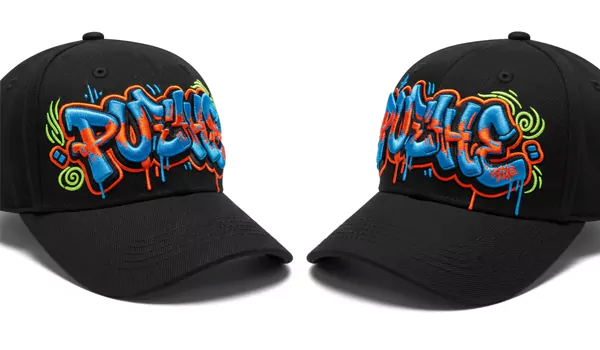
Streetwear labels use 3D puff embroidery to create bold, elevated logos on snapbacks, hoodies, and caps. Raised embroidery strengthens brand identity and adds visual depth to apparel collections.
Sports Teams and Athletic Organizations
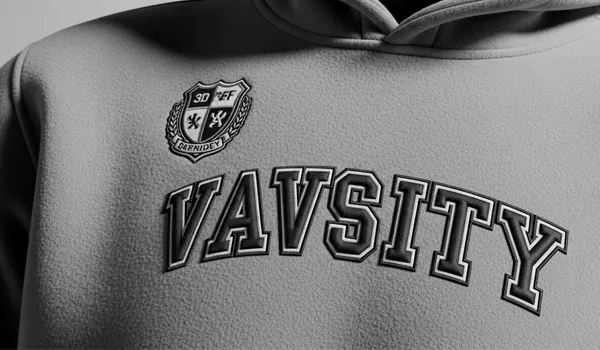
Sports teams apply 3D puff embroidery on caps and fan merchandise to highlight team logos. Proper digitizing ensures uniform raised height and consistent production across bulk orders.

Promotional Product Companies
Promotional merchandise suppliers rely on 3D puff embroidery digitizing services for branded caps and giveaways. Machine-ready stitch files improve efficiency during high-volume embroidery production.

Corporate Cap and Uniform Suppliers
Corporate branding often includes structured hats with raised logos. Accurate foam-based digitizing maintains clean edges and long-term durability for professional workwear.
Common Problems in 3d Puff Embroidery
3D puff embroidery digitizing services must address foam behavior, stitch compression, and machine tension to prevent production defects. Below are the most common issues and how proper digitizing resolves them.
Foam Exposure After Trimming
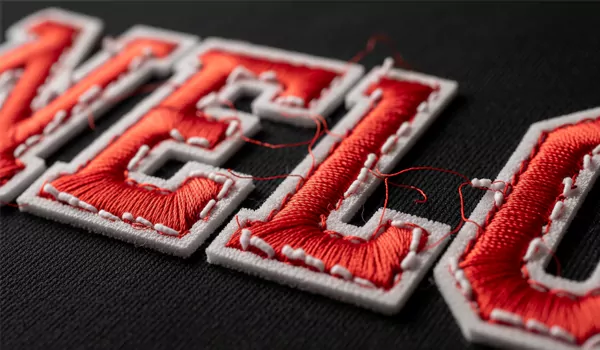
Foam exposure occurs when satin columns are too narrow or stitch density is insufficient. Proper column width, increased density, and reinforced edge stitching fully cover the foam and create clean raised borders.
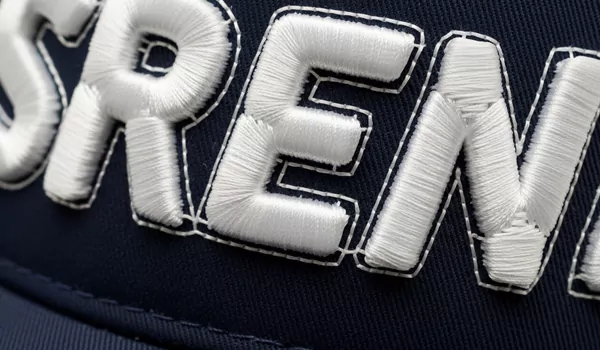
Gaps Between Satin Stitches
Visible gaps appear when density is too low or stitch angles shift abruptly. Balanced stitch spacing and consistent direction maintain uniform compression and eliminate open areas.
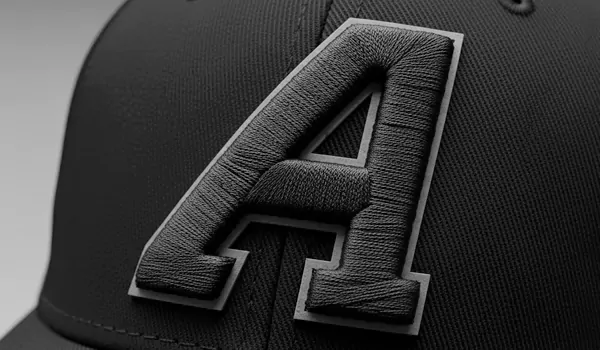
Uneven Raised Height
Uneven height results from inconsistent stitch coverage or foam thickness variation. Controlled density and aligned stitch sequencing ensure even compression across the entire design.
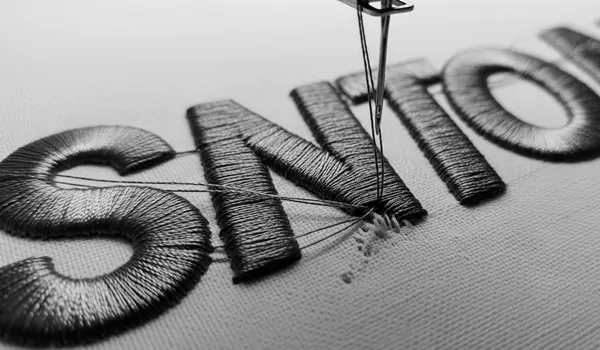
Thread Breaks During Puff Embroidery
Excessive density, improper trims, or sharp angle transitions increase machine strain. Optimized stitch sequencing and reduced unnecessary jumps improve thread flow and production efficiency.
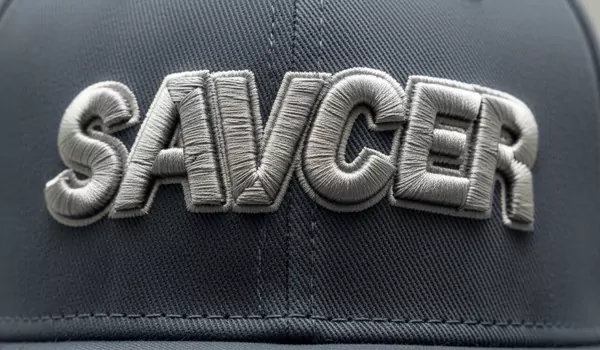
Design Distortion on Curved Caps
Structured caps create tension across the front panel. Center-out stitching and calibrated pull compensation maintain logo alignment and prevent warping.
Frequently Asked Questions about 3D Puff Embroidery Digitizing Services
What is 3D puff embroidery digitizing?
3D puff embroidery digitizing services convert artwork into stitch files designed to work with foam placed beneath satin stitches. The foam creates a raised, three-dimensional embroidery effect commonly used on caps and structured garments.
What foam thickness is best for 3D puff embroidery?
Most 3D puff embroidery uses medium-density foam that provides strong elevation without collapsing under stitch compression. Foam selection depends on logo size and desired raised height.
What is the minimum column width for 3D puff embroidery?
Satin stitch columns should generally be at least 2.5mm to 3.0mm wide to properly cover foam. Narrow columns may split the foam or create uneven raised edges.
Can small text be digitized in 3D puff embroidery?
Very small text is not recommended for 3D puff embroidery because narrow columns cannot properly cover foam. Raised embroidery works best for bold lettering and larger design elements.
Which file format is best for 3D puff embroidery?
DST and PES are commonly used file formats for 3D puff embroidery digitizing services. The correct format depends on your embroidery machine model.
Is 3D puff embroidery suitable for jackets and hoodies?
3D puff embroidery works best on structured caps and firm fabrics. While it can be used on jackets, fabric stability must be evaluated before digitizing.
How long does 3D puff embroidery digitizing take?
Professional 3D puff embroidery digitizing services are typically completed within 12–24 hours, depending on design complexity and production requirements.
Do you support bulk cap embroidery production?
Yes. Our 3D puff embroidery digitizing services are optimized for single-head and multi-head embroidery machines, ensuring stable performance during bulk production.
What causes foam exposure in puff embroidery?
Foam exposure usually occurs when stitch density is too low or satin columns are too narrow. Proper density control and edge reinforcement prevent this issue.
Do you offer revisions for 3D puff digitizing?
Yes. We provide revisions to ensure the raised embroidery output meets your production standards and brand specifications.